Catering in everyday life
The catering market in Germany is an exciting market with excellent prospects with billions of euros in turnover. Yet this sector of the food and service industry is extremely complex, very heterogeneous and has gone largely unanalysed up to now. Catering as a form of "eating out" ranges from the snack bar at the next corner to the canteen at a public authority to a fine-dining restaurant in the countryside. Catering is even offered in football stadiums, concert halls, on airplanes, ships and at trade fairs. The number of meals served can start at about 20 meals per day served at day care centres, for example, and go up to 20,000 people served at major events such as fairs and festivals.
Catering harbours potential to relieve environmental pressure
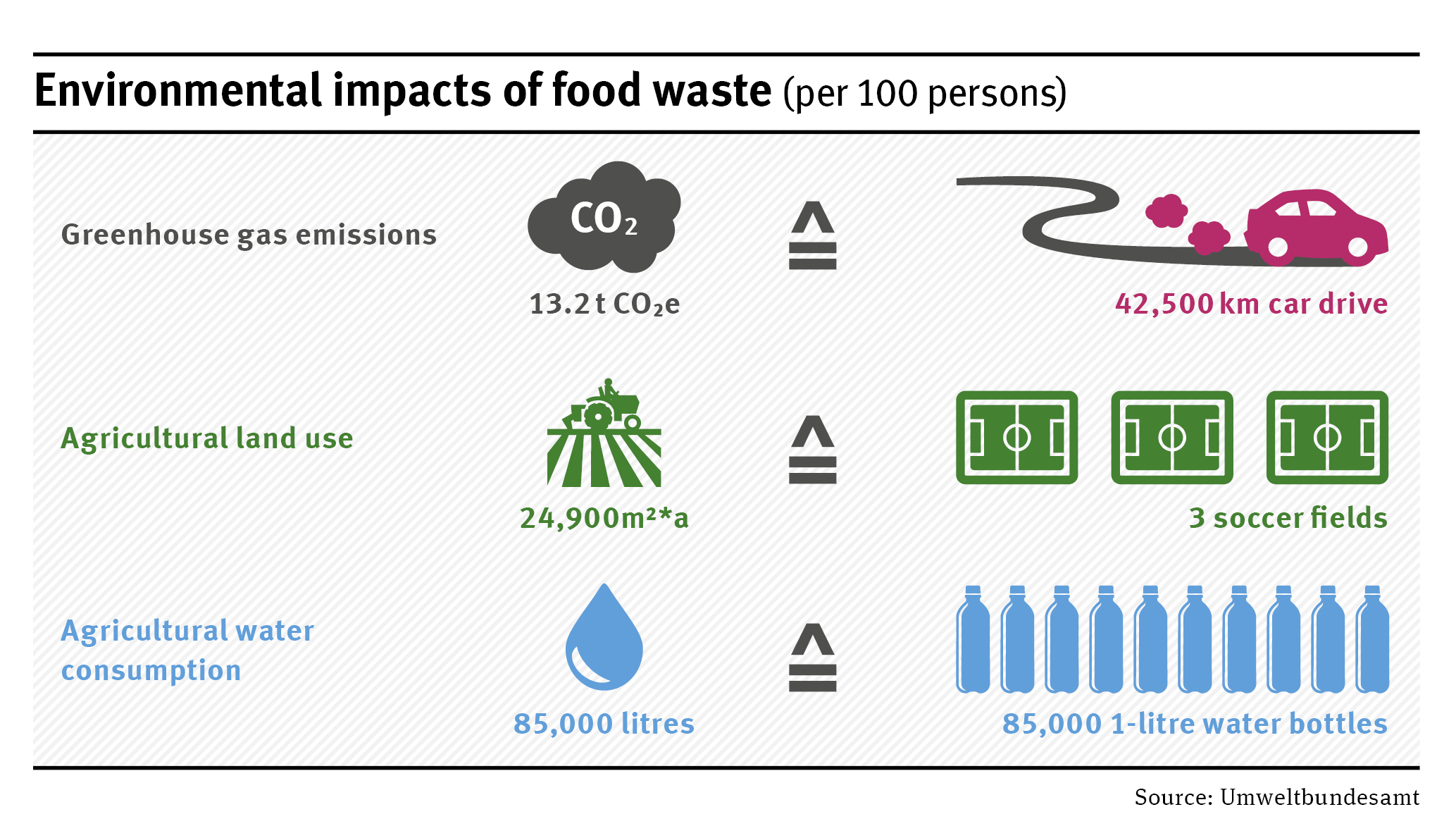
Current research indicates that about one-third of the food used for consumption away from home becomes waste, which makes the potential to prevent food waste in this sector significant. There are many ways to prevent food waste with little effort.
Little tricks, big results
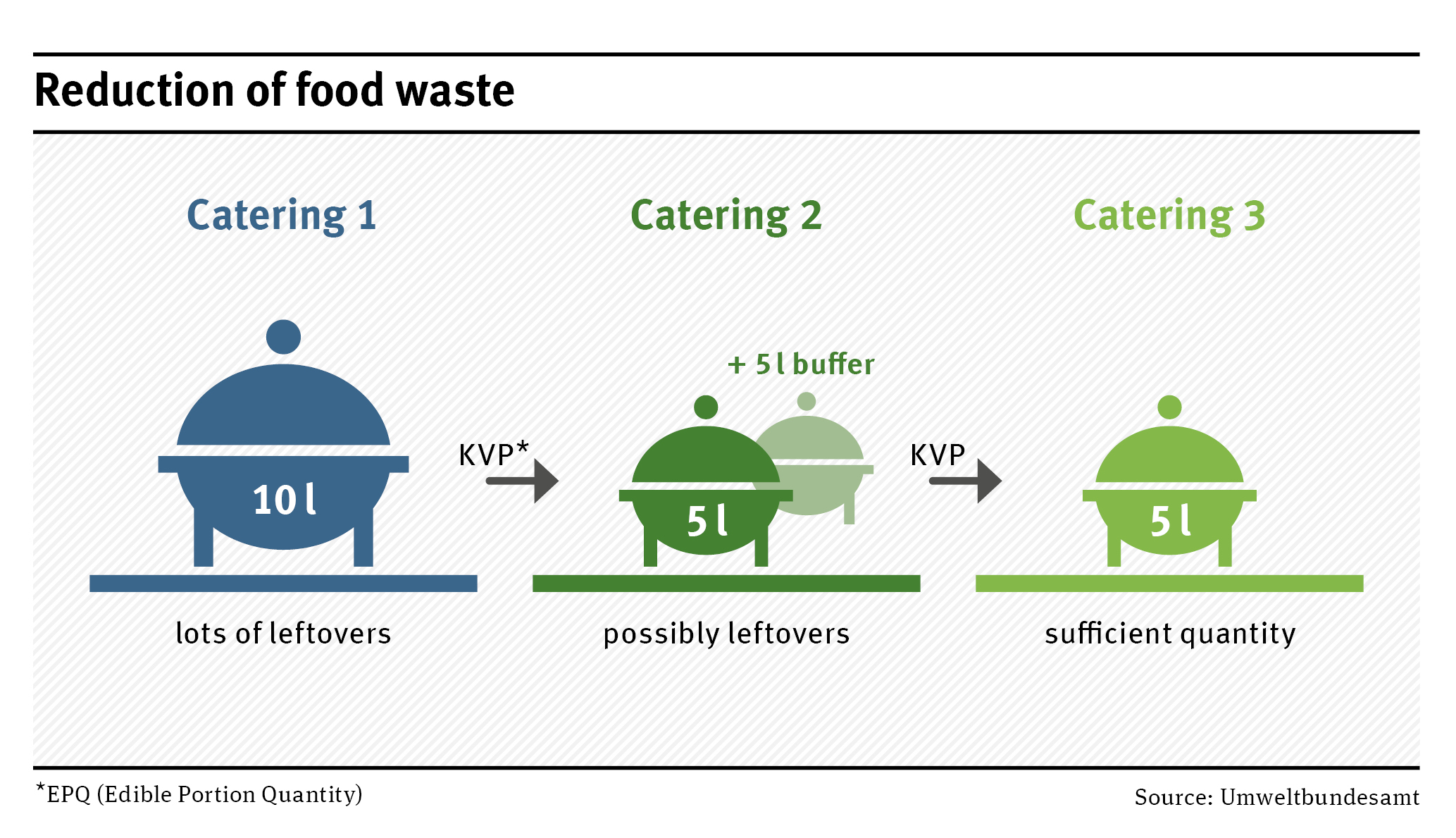
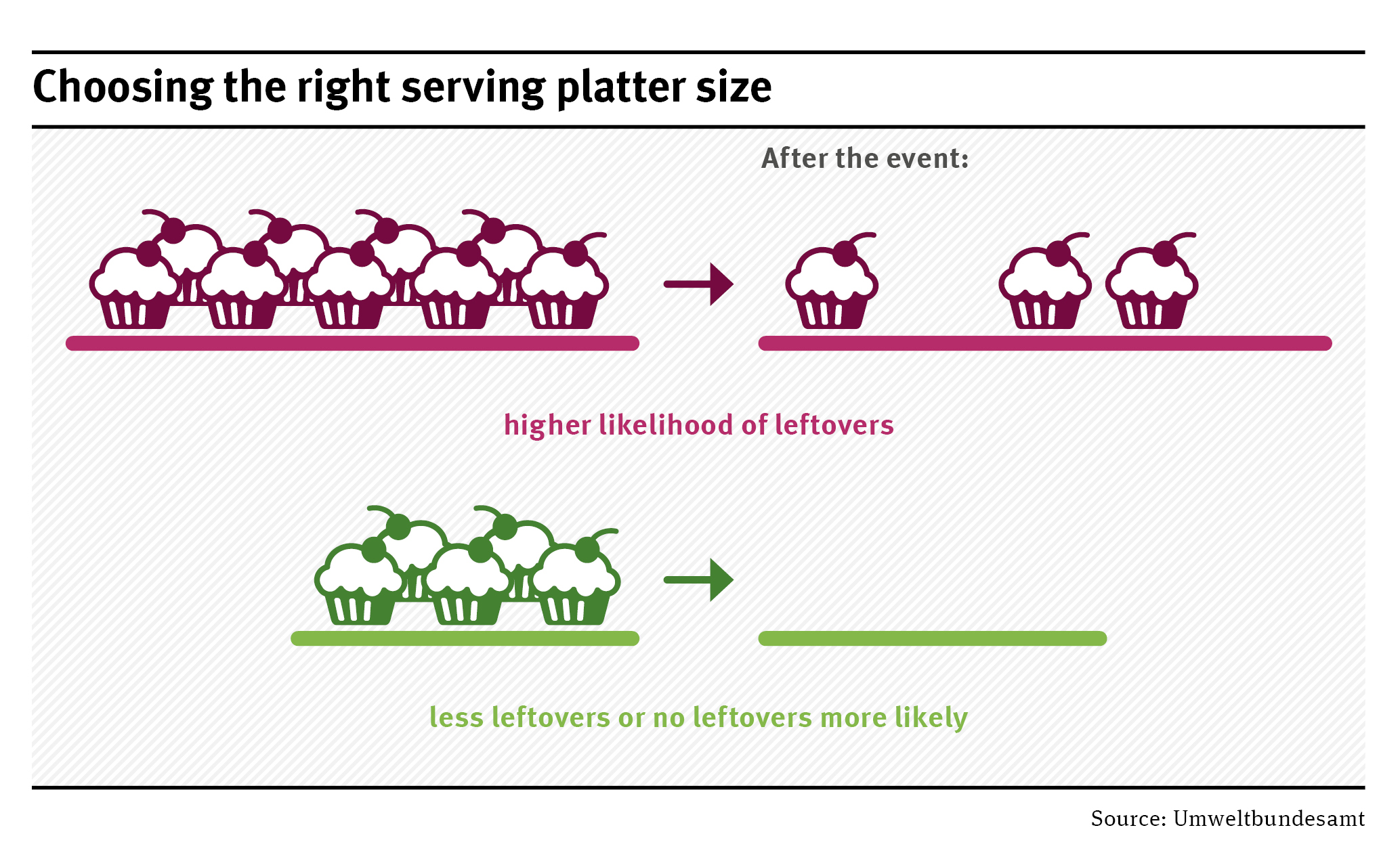
Even the smallest measures such as optimal calculation of quantities, restocking the buffet as needed or using smaller plates and smaller portions are not only economical for the individual catering business but also have a great ecological impact and act as a model for all the players in the market.
Taking a look at professional catering
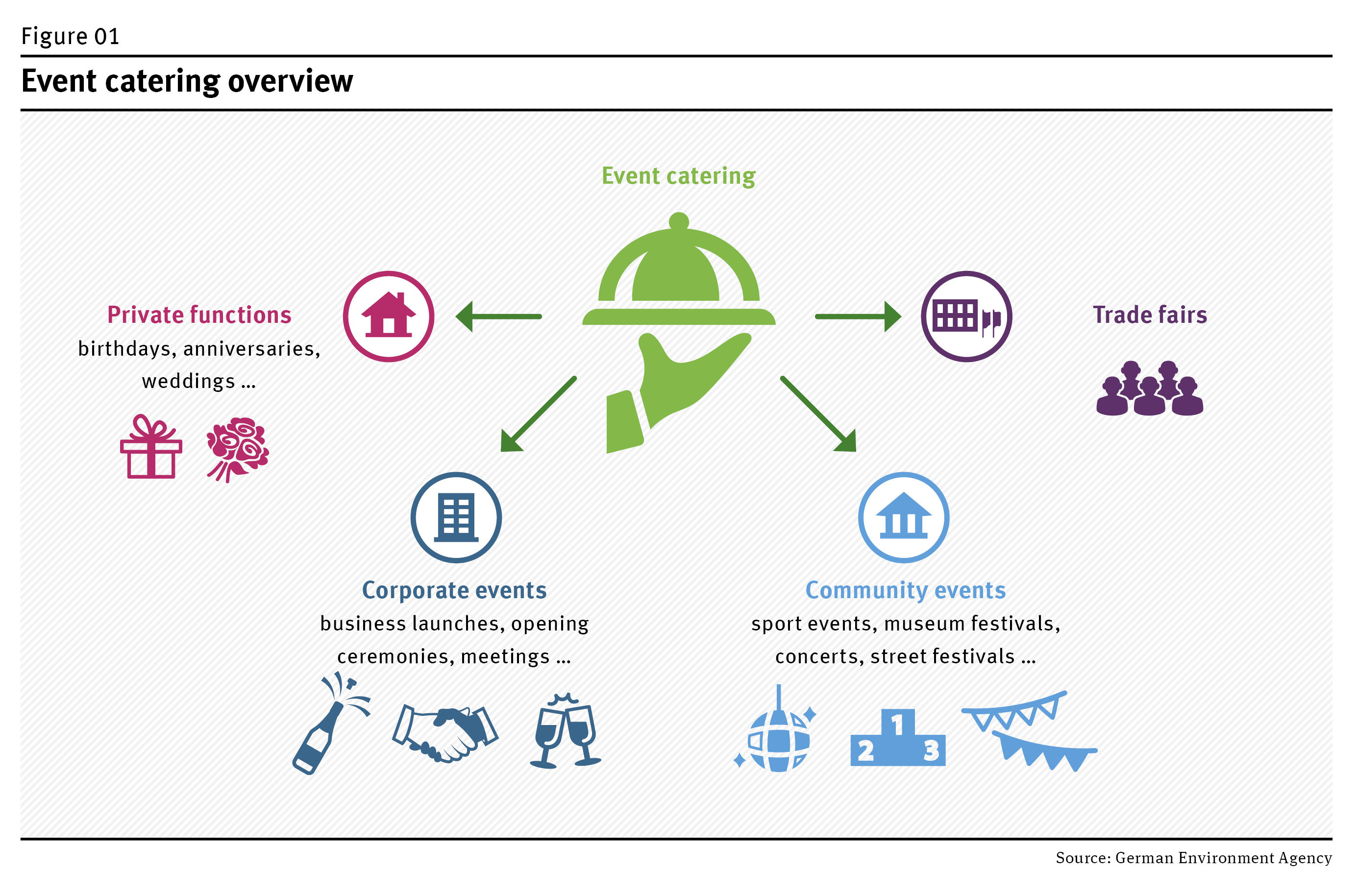
The focus of the UBA Guideline "Prevention of food waste in the catering sector" is on the professional event catering sector which is behind public events such as city festivals, exhibition openings, sports events, music festivals and fairs, private gatherings such as family get-togethers, or corporate functions like business start-ups, company anniversaries, branch office openings and meetings.
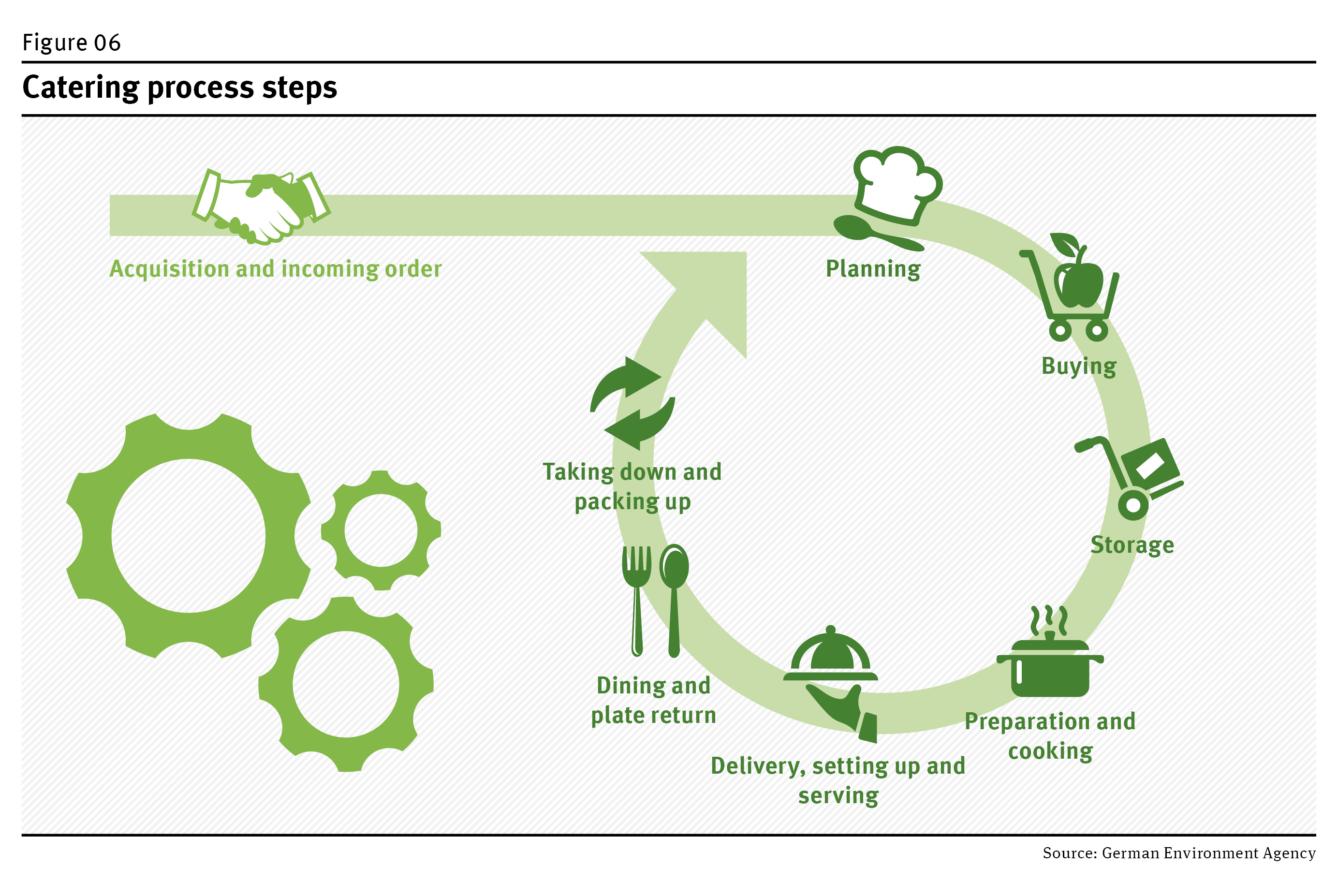
The guideline illustrates how careful planning and consideration of all the steps involved in catering an event can significantly reduce food waste and how to make good use of leftovers which may nonetheless be generated.
Whom is this guideline for?
The practical guide is aimed at both caterers, their staff and suppliers, the customers of a catered event, and anyone else who is interested in hosting a catered event. The target group also includes event managers, agencies and all other stakeholders of the catering trade.
Fact Sheets – key advice at a glance
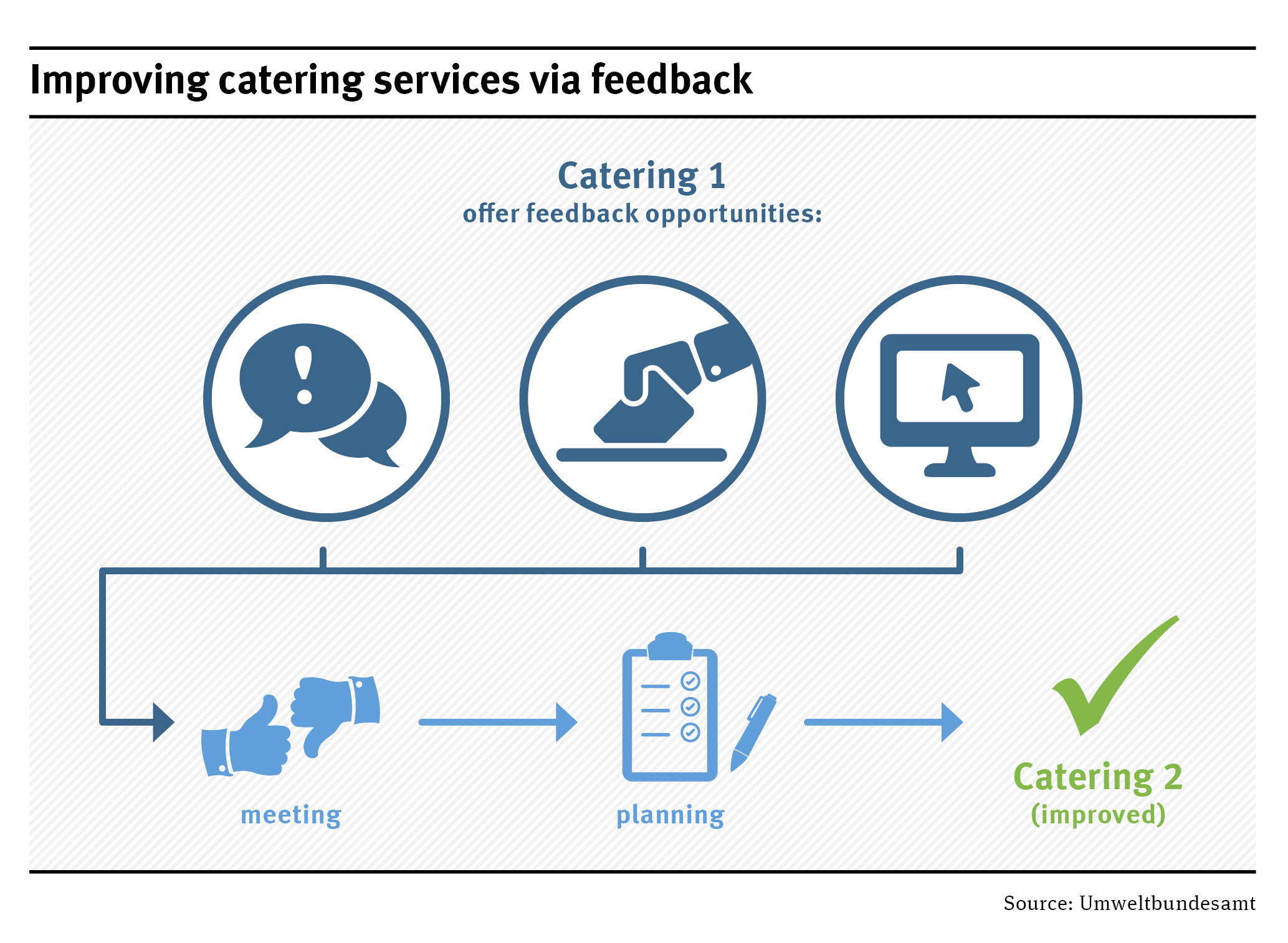
Ten different Fact Sheets address all the sticking points when it comes to the prevention of food waste for all the stakeholders in the catering sector. Caterers and kitchen staff can learn about modern food storage and well organised distribution of food. Other Fact Sheets have information about ensuring feedback from guests and customers as well as the possibilities of passing on leftovers to non-profitmaking institutions like the "Tafeln" (German foodbanks).