Krill as the basis for the food chain
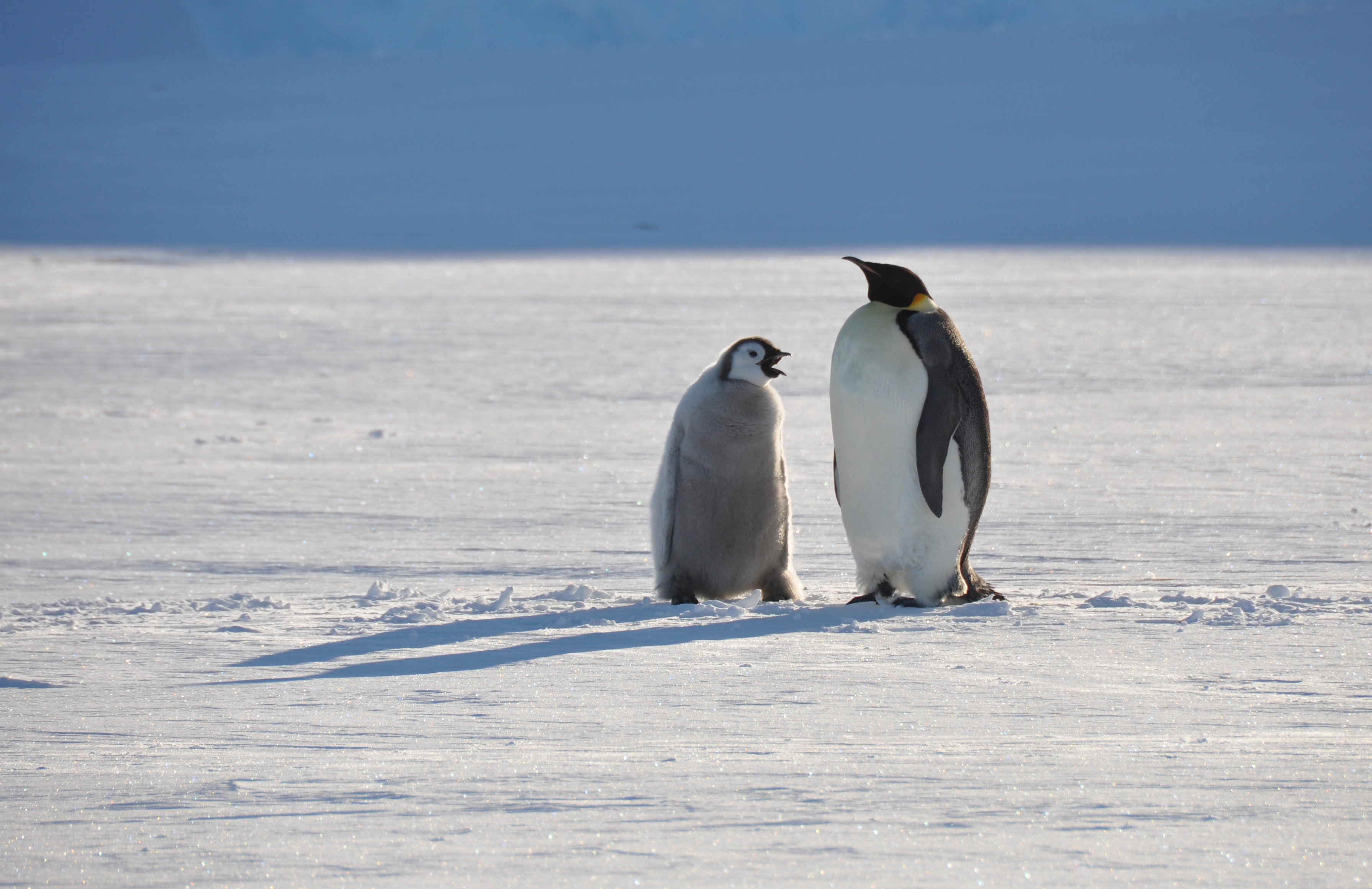
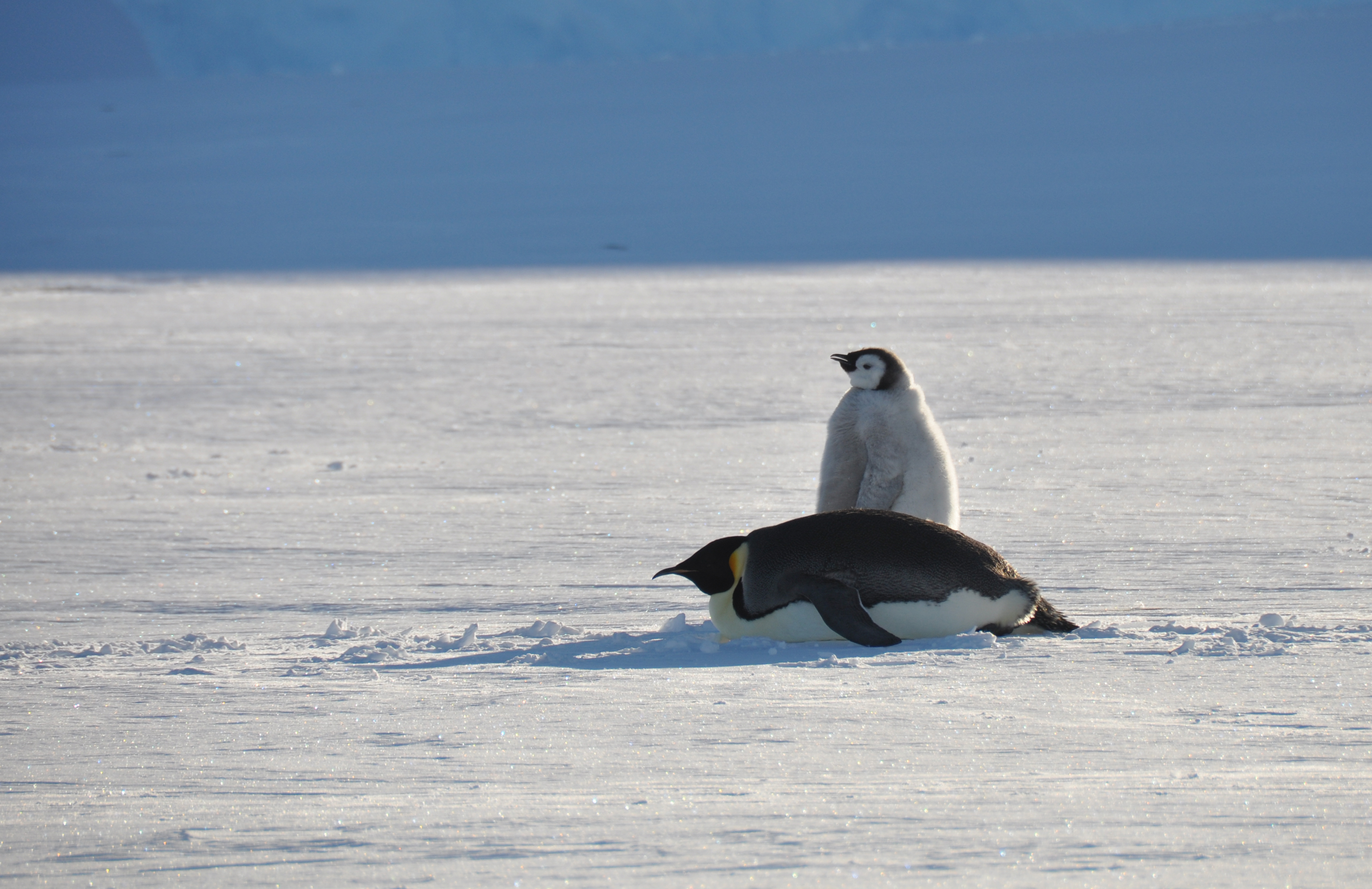
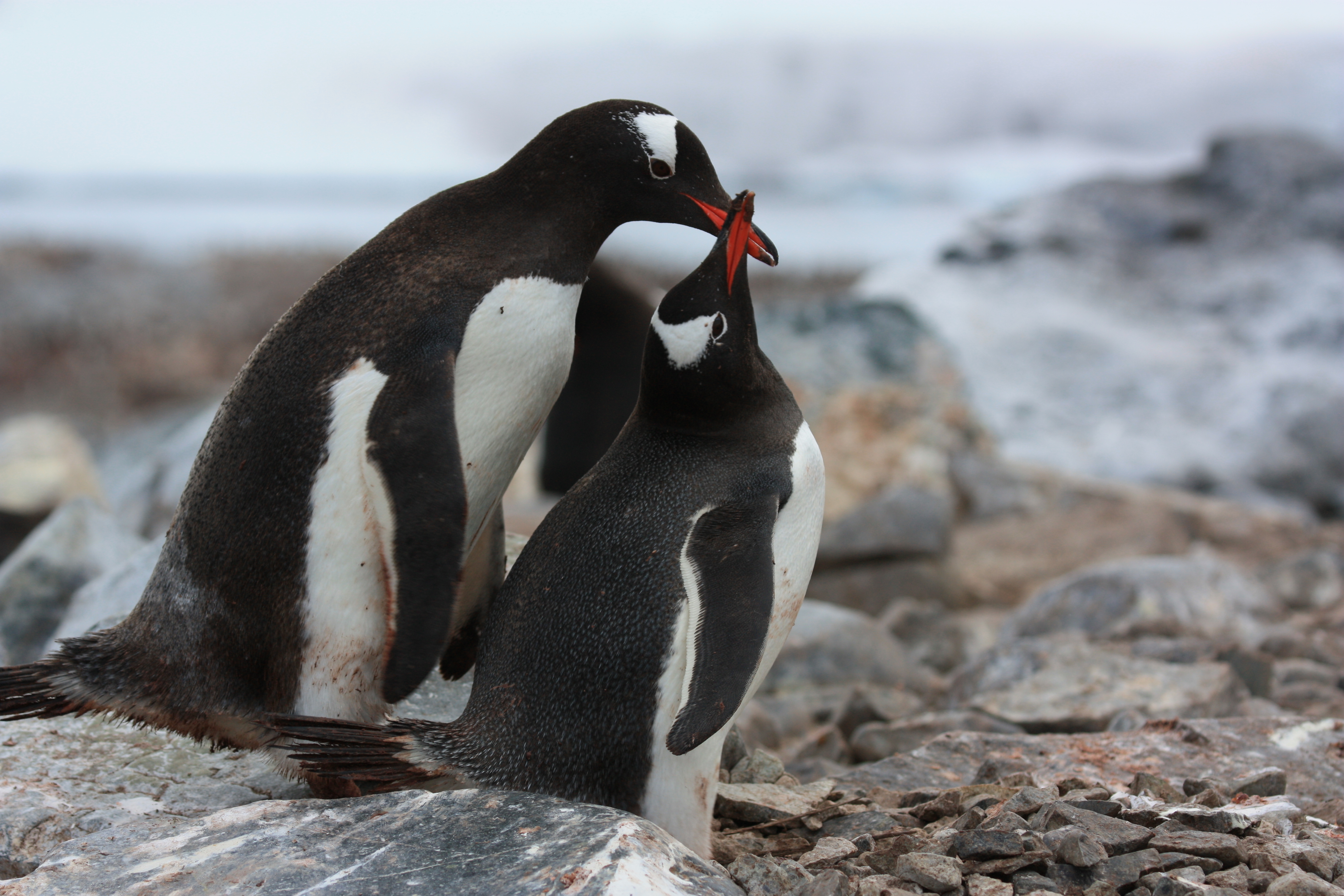
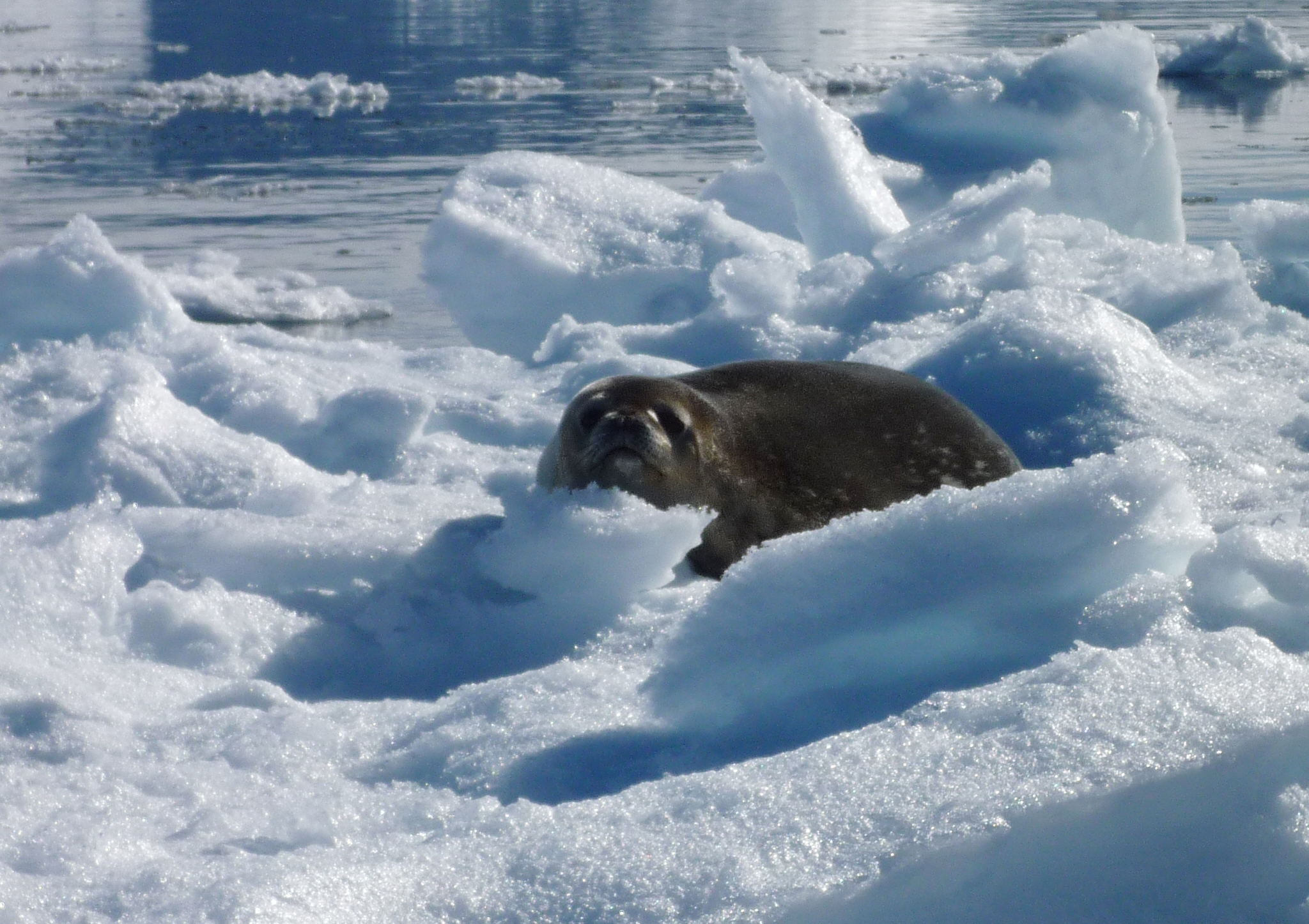
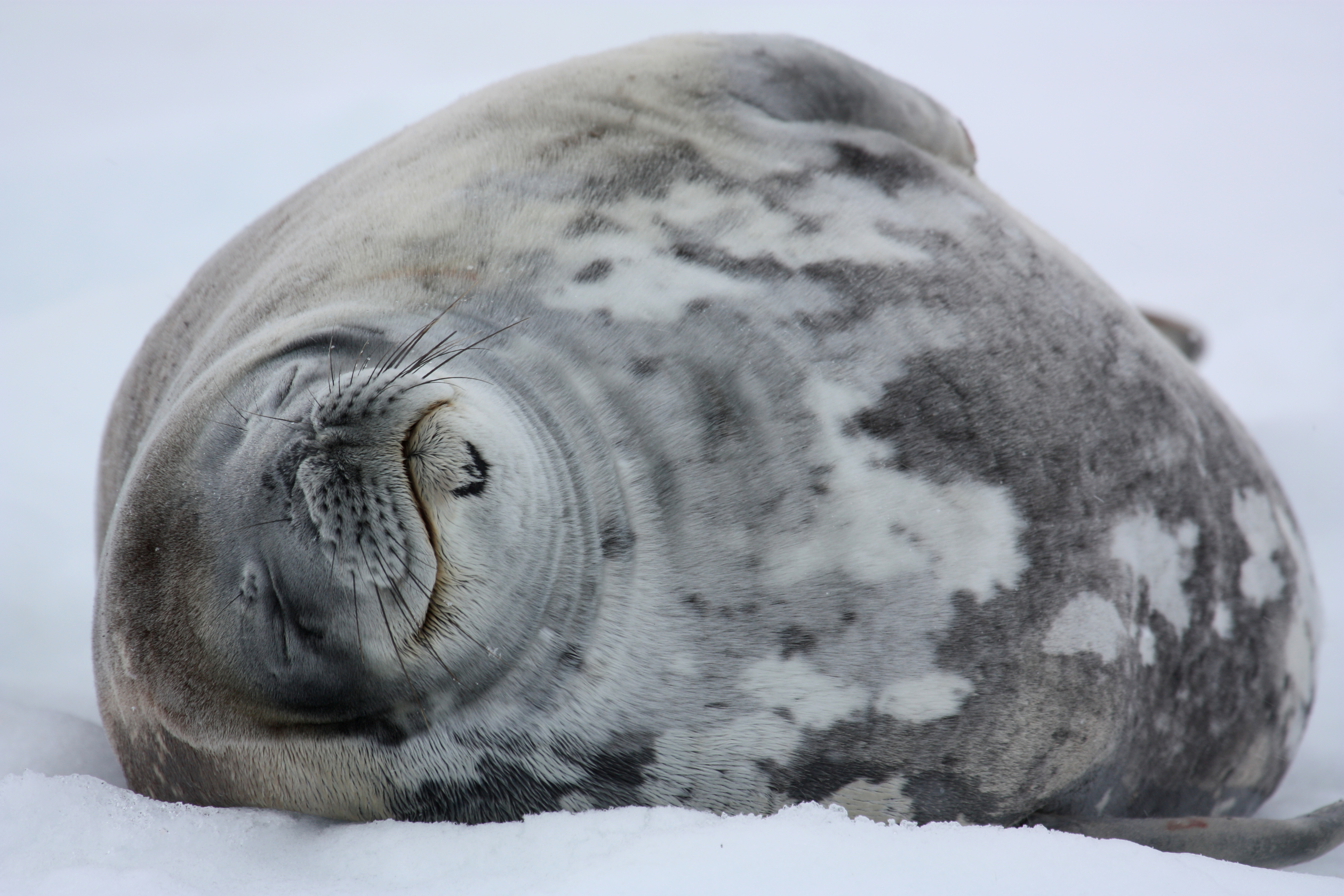
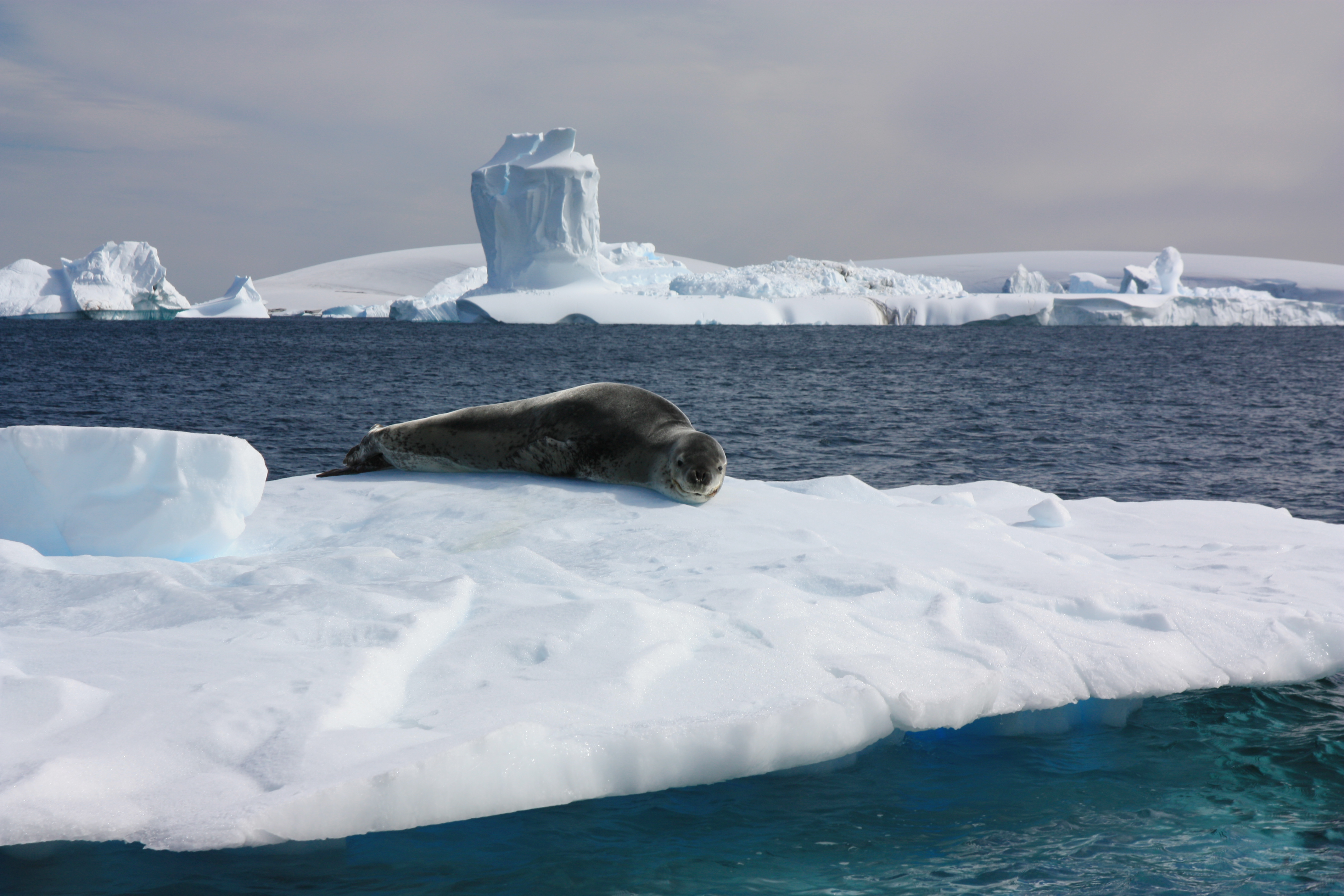
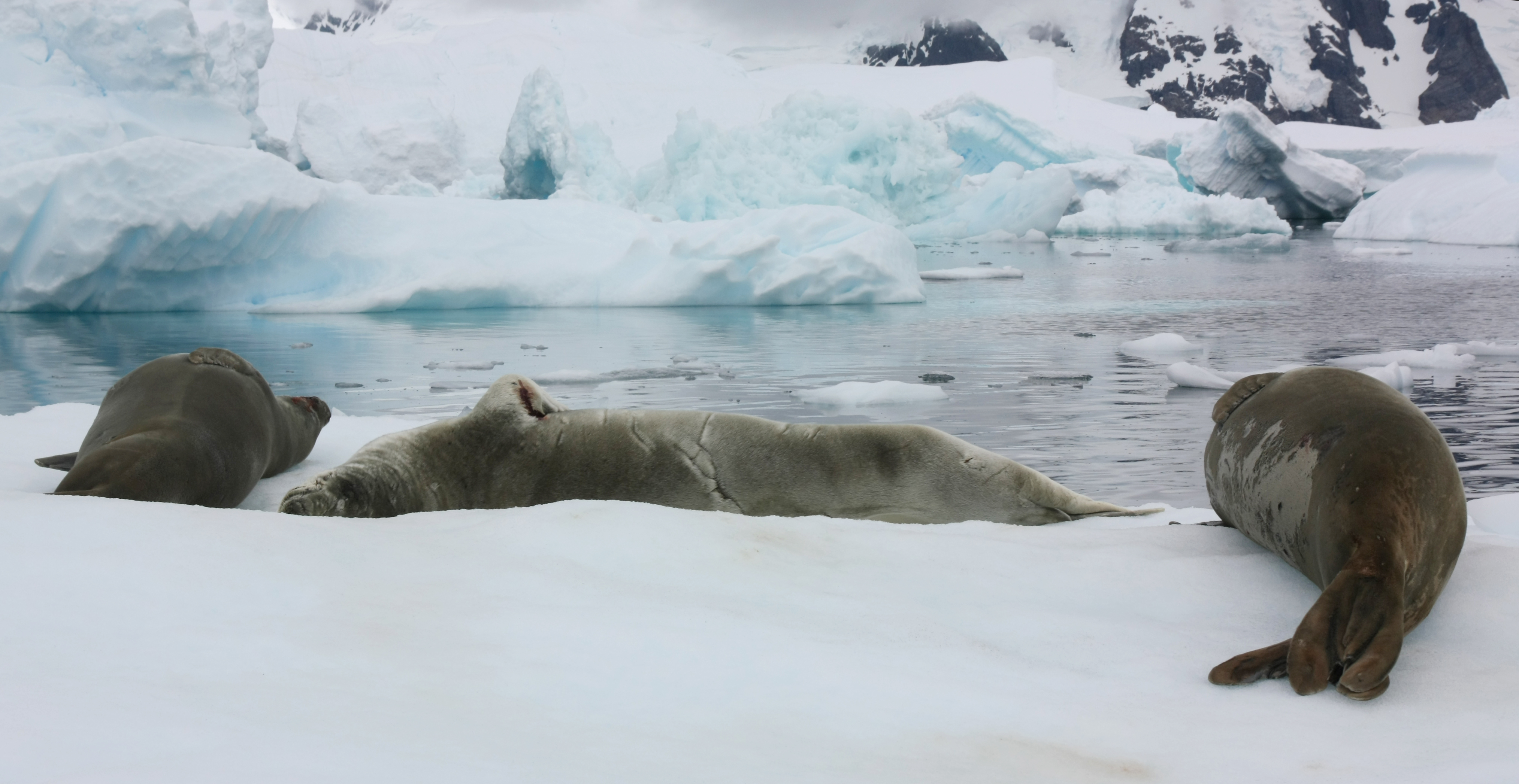
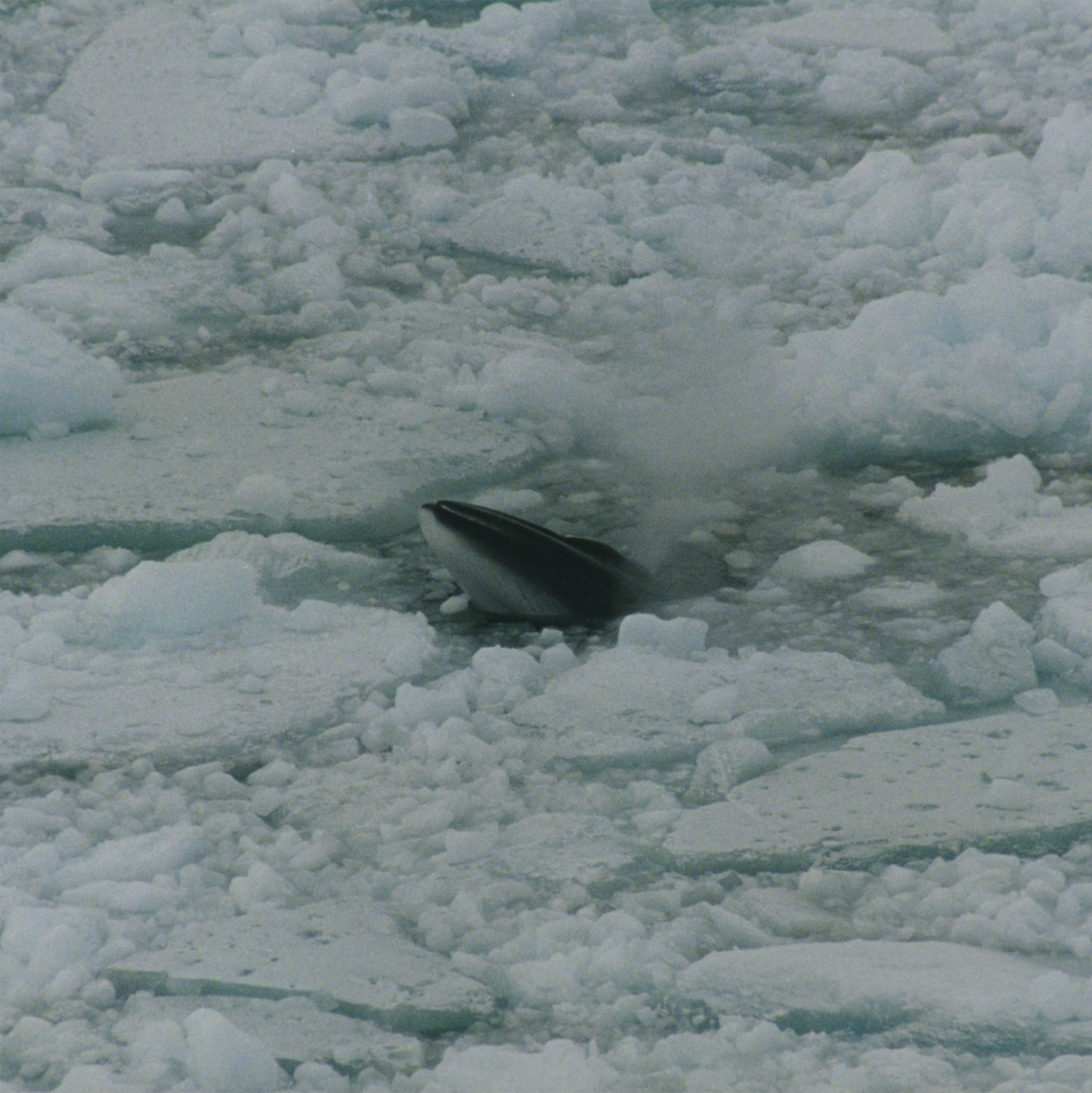
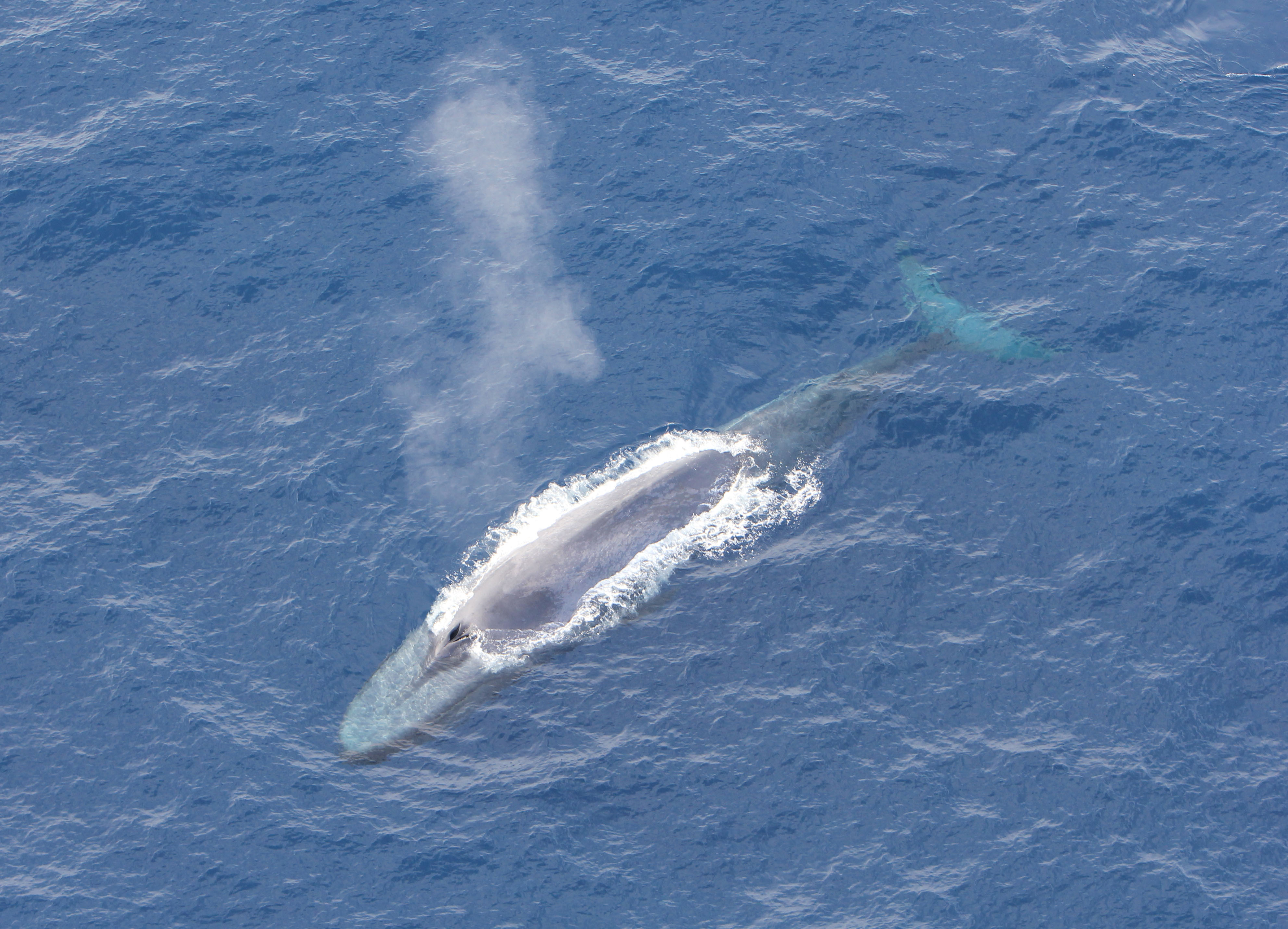
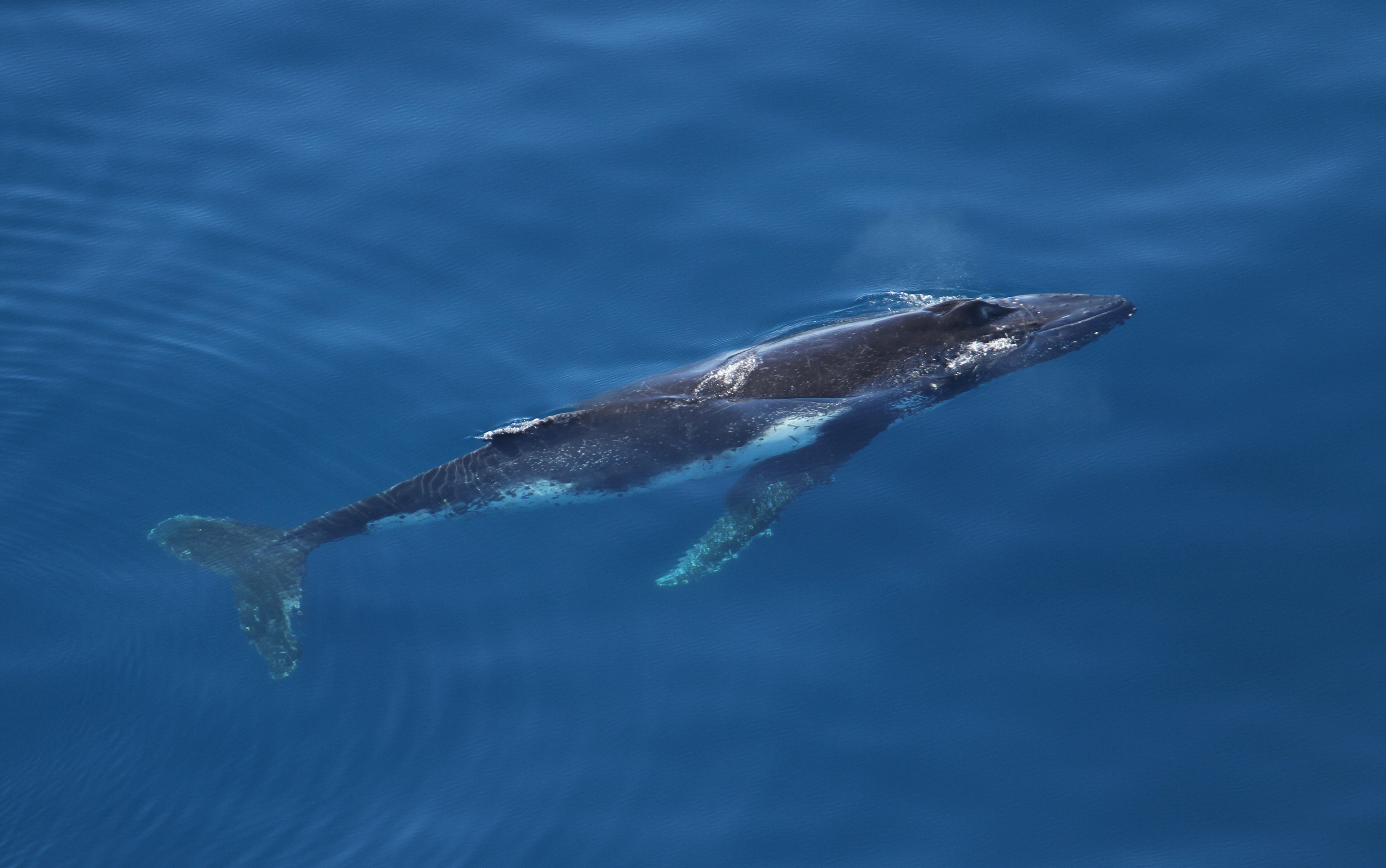
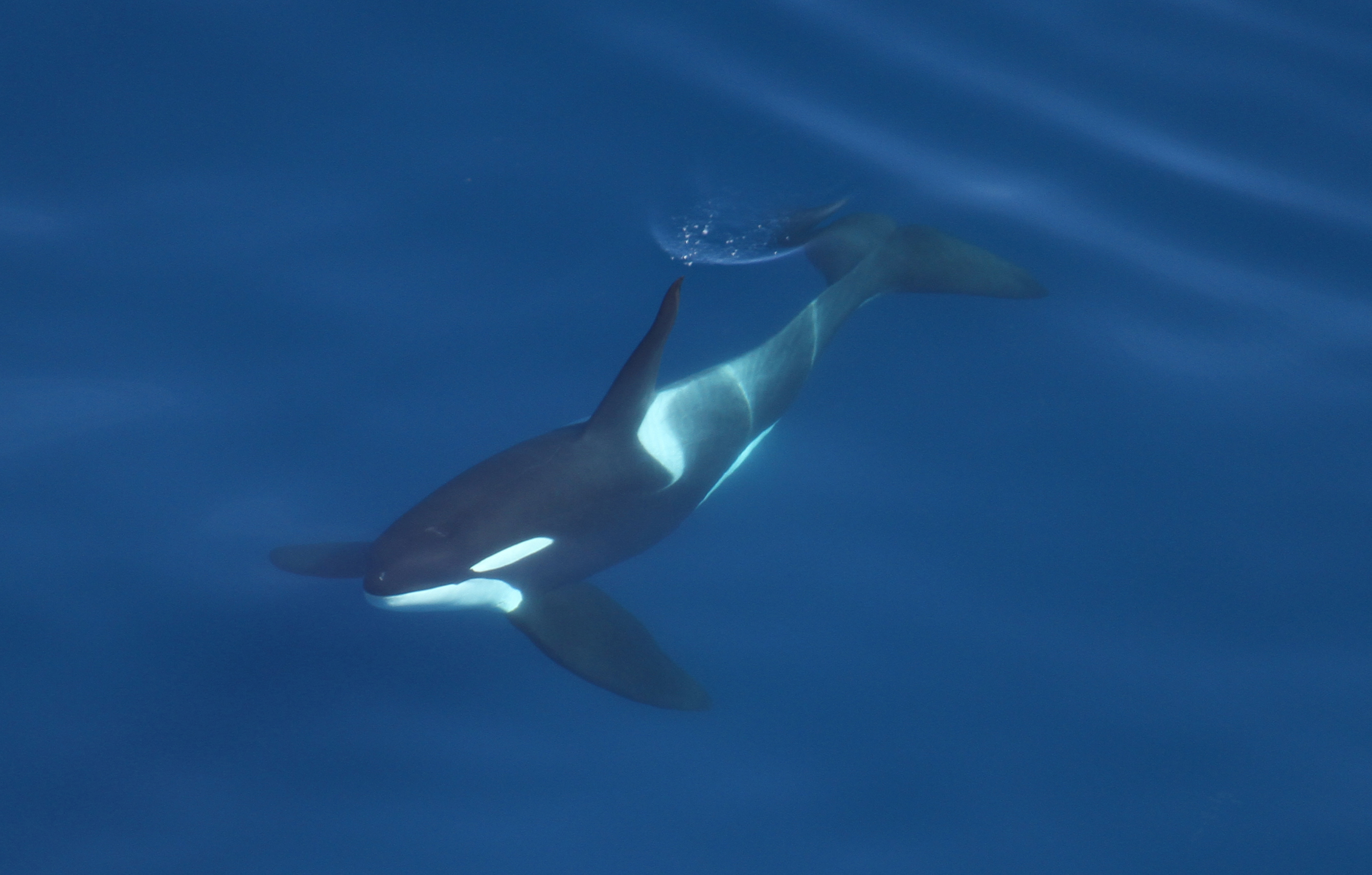
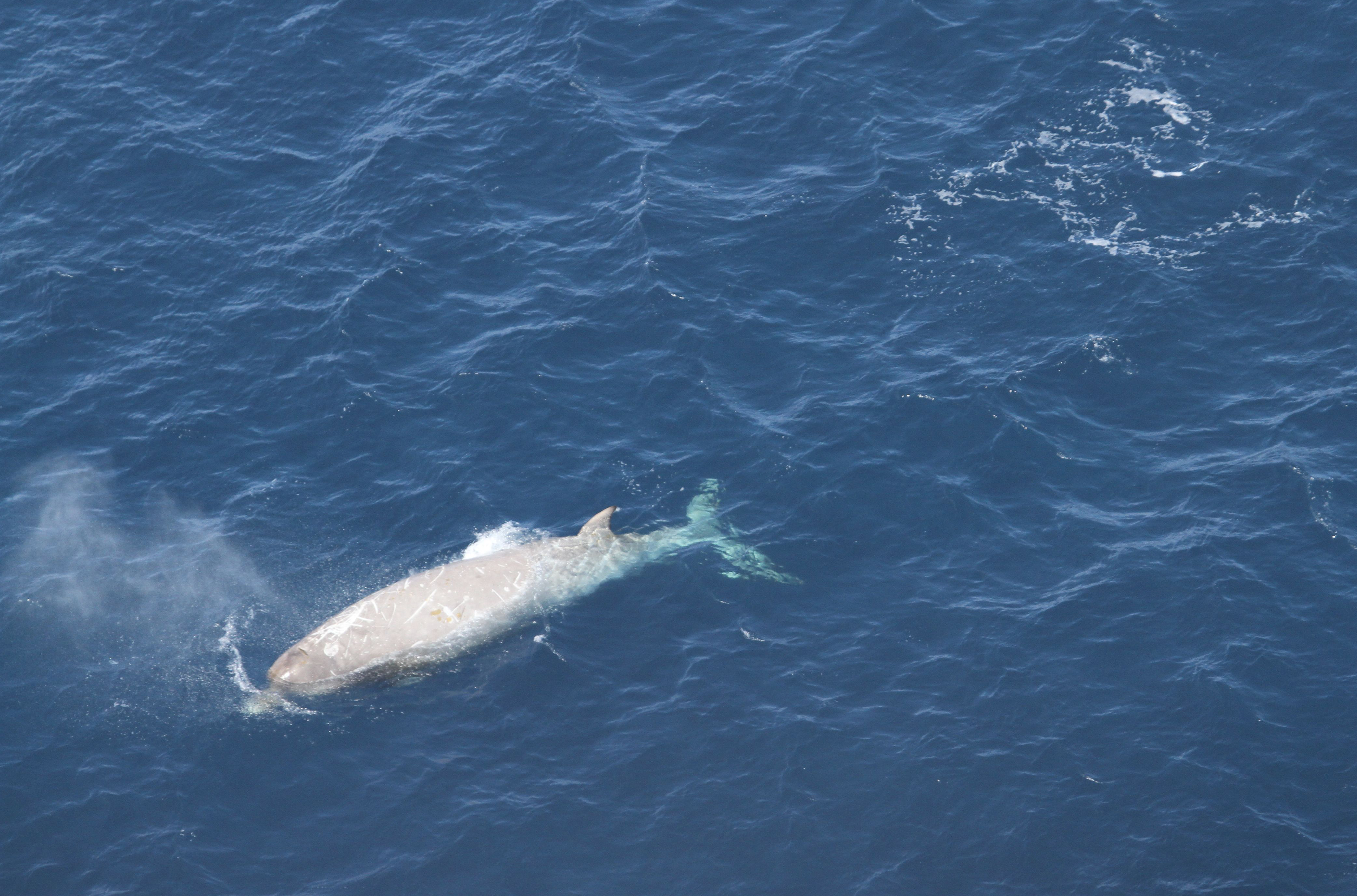
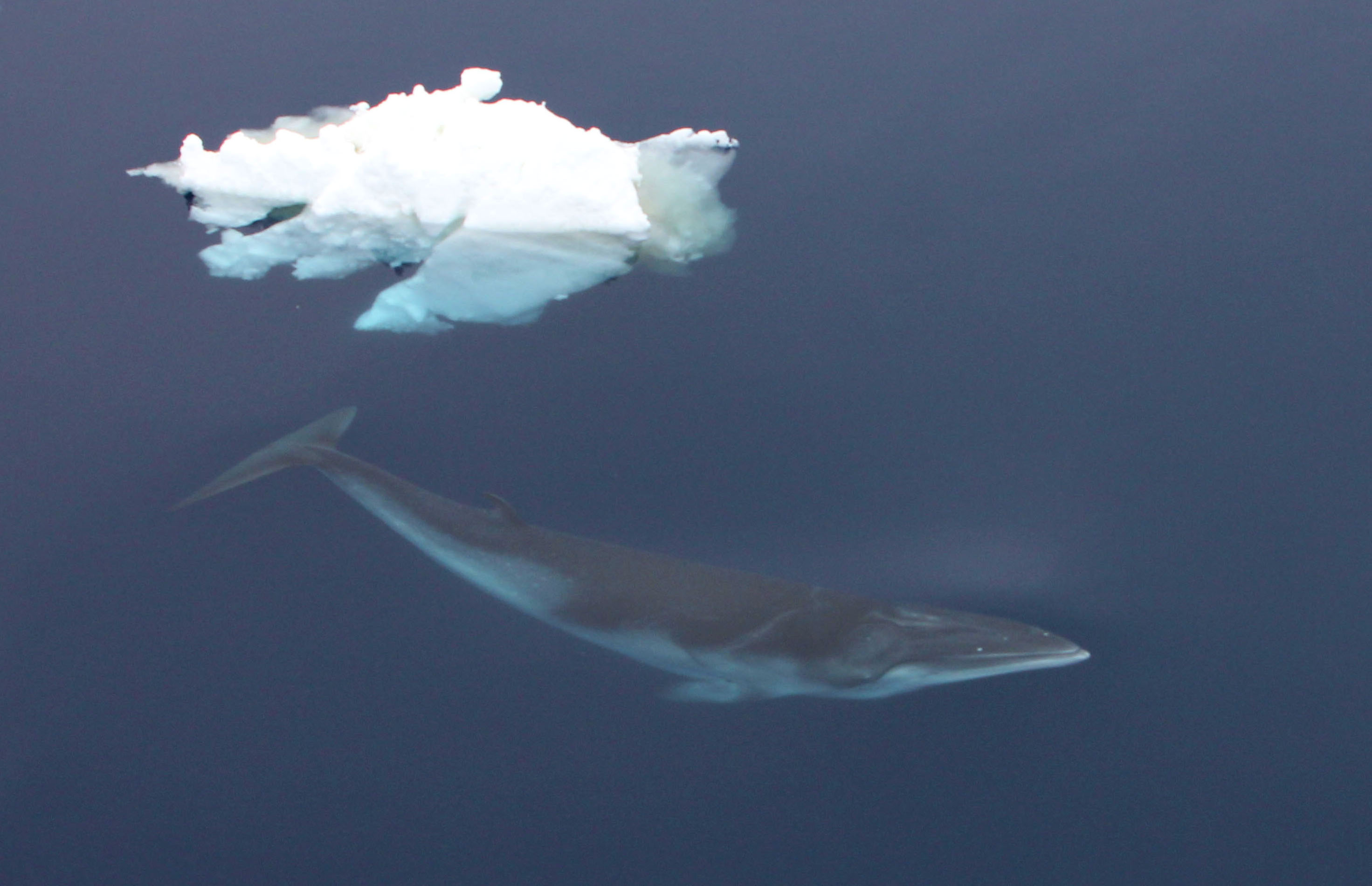
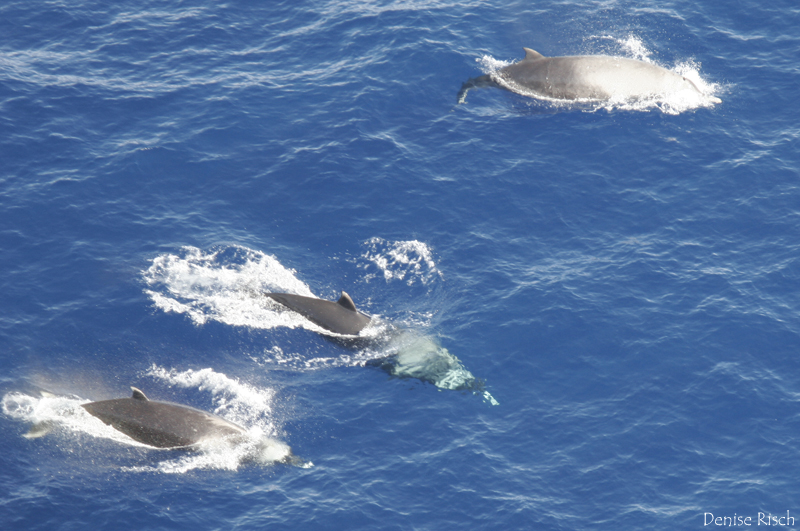
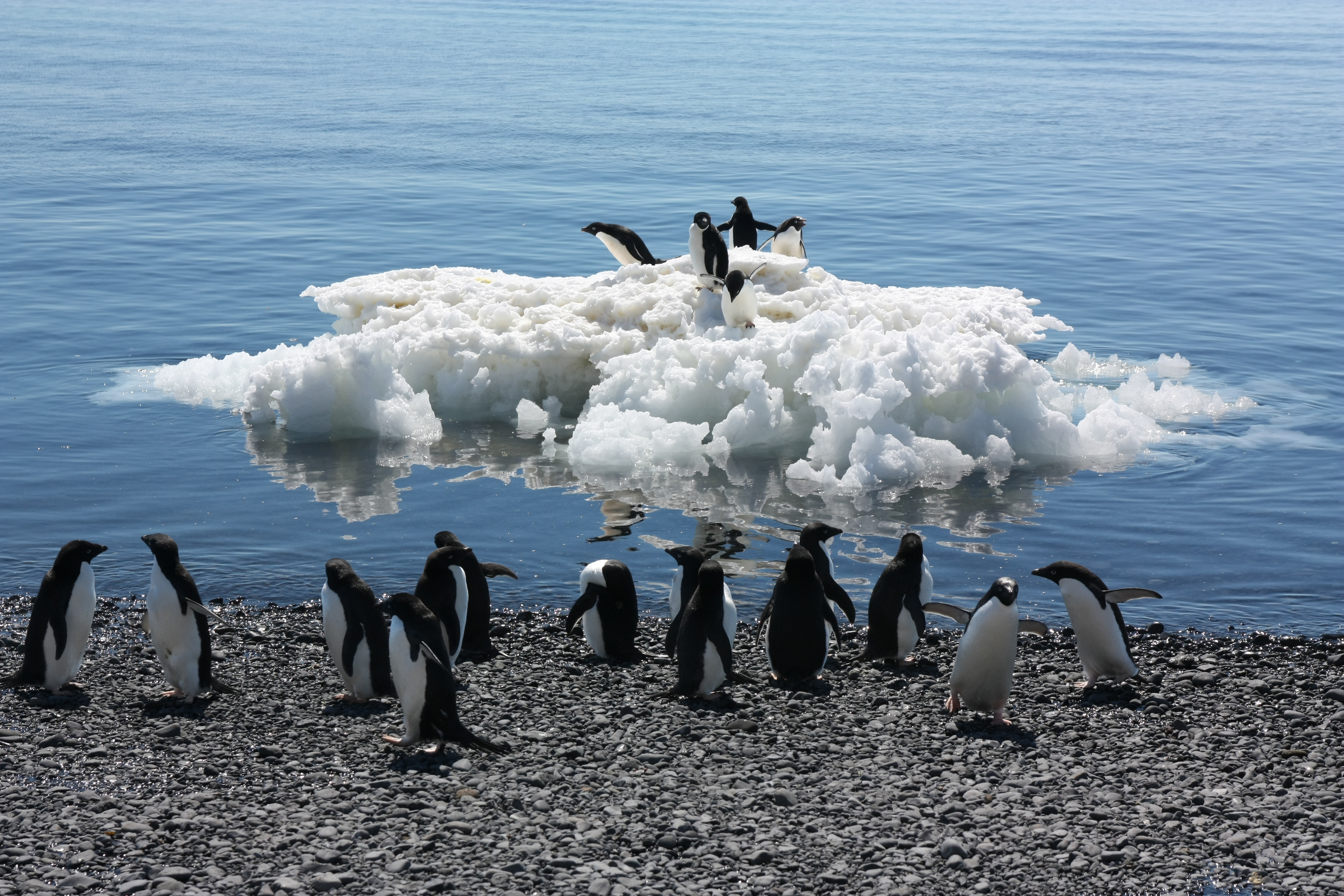
The number of higher animal species present in the Antarctic is relatively small. Their habitat is limited to the narrow, ice-free coastal areas and the ocean, on which they depend for their food. The most important link in the food chain of the Southern Ocean is Antarctic krill (Euphausia superba), a shrimp-like crustacean measuring four to six cm in length. It feeds mainly on planktonic diatoms and zooplankton. With an estimated total incidence of one billion tonnes in the Antarctic, krill is the basic food resource for many living creatures such as squid, bony fish, penguins and sea birds, seals and whales.
Some 208 species of fish live in the coastal region and under the shelf ice of Antarctica. 96 species (46 percent) are Antarctic fish (Notothenioidei), a suborder of perch-like fish (Perciformes) which is particularly well adapted to live at very low temperatures. Snailfish (Liparidae) and eelpouts (Zoarcidae) make up 31 percent and 11 percent of the other fish fauna, respectively. Most of these are benthic fish species living on the seafloor.