A relatively minor amount of healthcare waste needs to be handled separately using specific methods. A maximum of five percent (around 5,000 kilograms annually) of Germany’s healthcare waste comprises infectious healthcare waste, which, owing to the risk of infection, is classified as hazardous waste under the Abfallverzeichnisverordnung (AVV, waste directory regulation).
In accordance with the document titled Vollzugshilfe zur Entsorgung von Abfällen aus Einrichtungen des Gesundheitsdienstes (LAGA M18), infectious healthcare waste is to be collected separately and thermally treated using the mandated Robert Koch-Institut procedures such as sterilization, steam disinfection, or incineration.
Most healthcare waste can be disposed of or recycled at thermal waste treatment facilities together with municipal waste, provided that the requisite care is exercised during the collection, storage and transport processes.
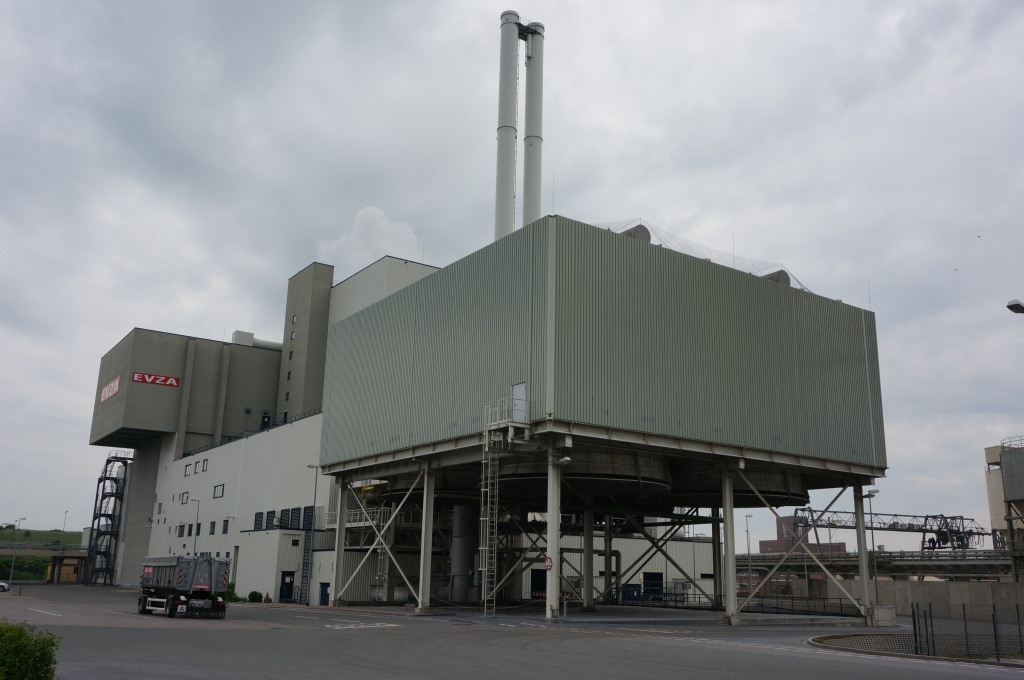
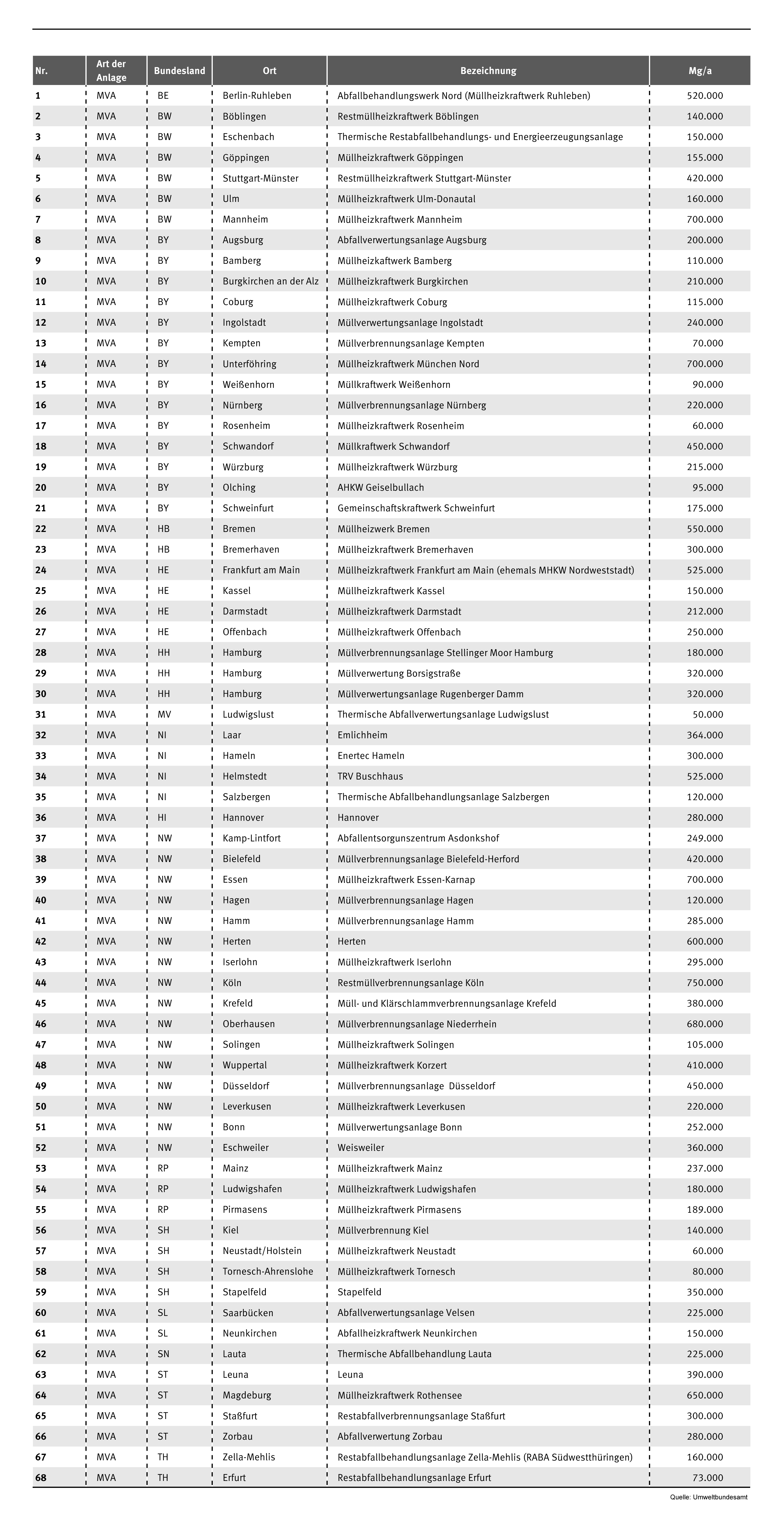
Germany has a dedicated healthcare waste incineration plant in Kiel/Wellsee, while two other municipal waste incineration plants (in Augsburg and Bielefeld) incinerate infectious healthcare waste in separate incineration installations. In the interest of emissions abatement, the waste gas generated by these processes is shunted to the gas scrubbing system at the neighboring municipal waste incineration plant.
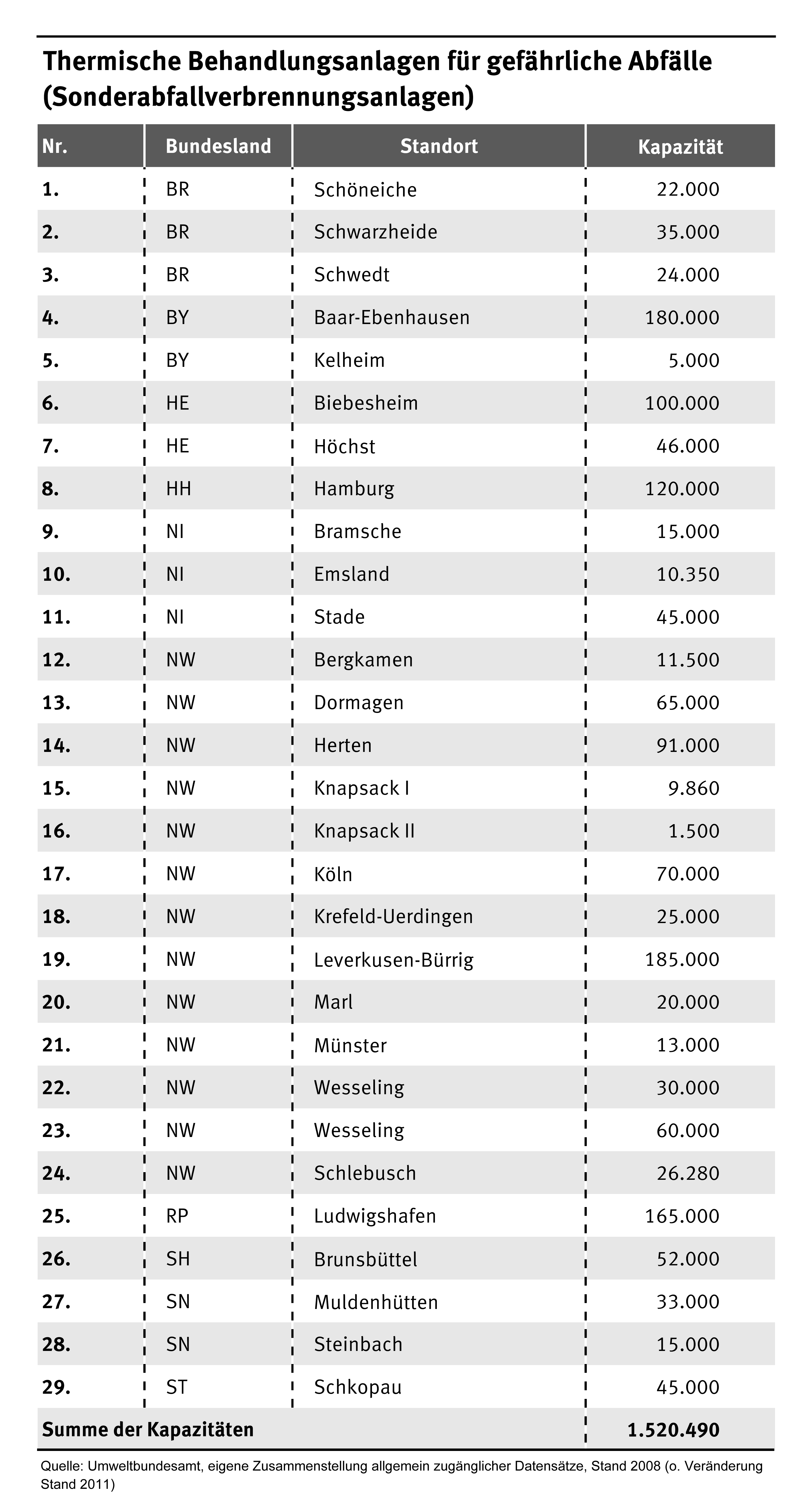
Some infectious healthcare waste is thermally disposed of separately in purpose-built hazardous waste incineration facilities, after being transported in UN class 6.2-compliant containers.
The LAGA Mitteilung 18 document titled Vollzugshilfe zur Entsorgung von Abfällen aus Einrichtungen des Gesundheitsdienstes is available from the Länderarbeitsgemeinschaft Abfall (LAGA) website.