
Exposure to Banned Plasticiser Persists Among Children, Teenagers
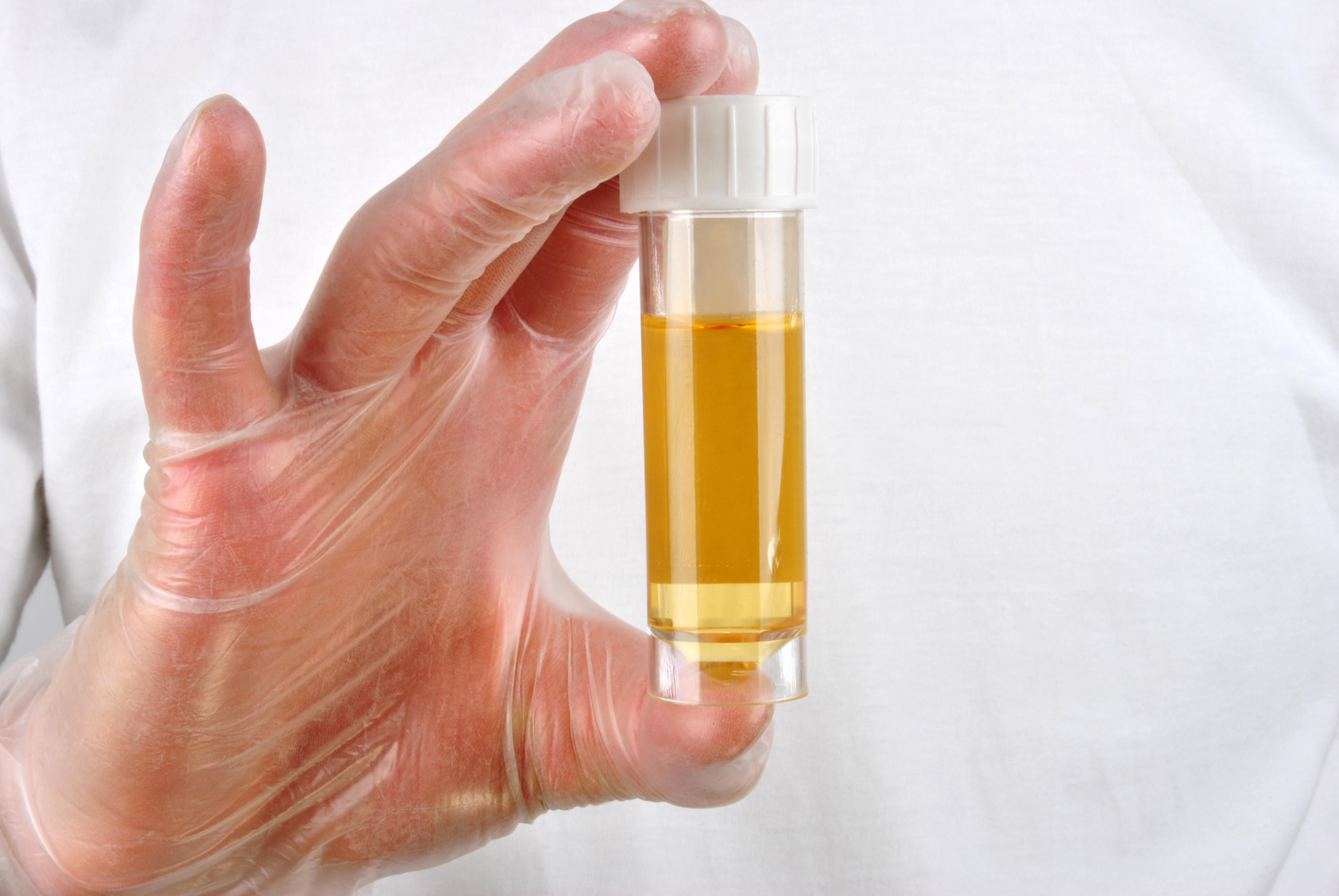
Two years ago, the German Environment Agency (UBA) detected mono-n-hexyl phthalate (MnHexP) in the urine of adults. MnHexP is a breakdown product of the plasticiser di-n-hexyl phthalate (DnHexP), which is considered toxic to reproduction and is therefore not authorised in the EU. The findings could be traced back to contamination of a UV filter used in sunscreens. The UBA is currently analysing urine samples from children and adolescents. The findings showed that MnHexP was detected in 92 percent of the samples collected in spring and summer 2025. One percent of the urine samples exceeded the assessment value derived two years ago by the Human Biomonitoring Commission. In addition to MnHexP, people are exposed to other plasticisers that are toxic to reproduction, so any avoidable sources should be eliminated.
UBA President Dirk Messner says: “Based on the results of recent years, we were not surprised to find MnHexP in the urine samples of children and adolescents. However, what did surprise us was the large proportion of contaminated samples, as well as the sometimes very high concentrations.”
Almost all samples contaminated
Following the findings at the beginning of 2024, the Human Biomonitoring Commission (HBM Commission) at the UBA derived an assessment value (HBM-I value) for MnHexP in urine. Up to 60 micrograms per litre (µg/L) of urine, no adverse health effects are to be expected. The Federal Institute for Risk Assessment has set the tolerable daily intake for DnHexP at 63 micrograms per kilogram body weight per day (µg/kg bw/day).
The current ALISE (Aligned Study for Environmental Health) study on children and adolescents has so far examined 259 urine samples from children and adolescents aged 6 to 17 taken between April and July 2025. MnHexP was found in 238 of the samples (92 percent). Two study participants exceeded the HBM-I value of 60 µg/L, with levels of 83 and 107 µg/L.
UV Filter in Sunscreen Identified as the Cause
At the beginning of 2024, MnHexP was detected in urine samples from preschool children in analyses by the State Agency for Nature, Environment and Climate (LANUK) in North Rhine-Westphalia and at the same time in samples from adults that the UBA analysed as part of its German Environmental Survey on Health (GerES). Based on information on lifestyle habits and product use, sunscreen was quickly identified at the time as a possible source of exposure. This association is again evident in the current data.
Product testing of sunscreens was initiated immediately and confirmed the suspicion. A patent describing the production of the UV filter diethylaminohydroxybenzoylhexyl benzoate (DHHB) also clearly shows that the plasticiser DnHexP can be formed during production of the UV filter. The product tests also showed that the concentration of the plasticiser in DHHB varies, and that sunscreens with the UV filter but without contamination also exist on the market.
The EU Scientific Committee on Consumer Safety (SCCS) re-evaluated DHHB in 2025 and concluded that a maximum contamination level of 0.1 mg/kg in sunscreen is technically feasible. This contrasts with concentrations of 1.5 to 44 mg/kg measured in 2024. The legal codification of this assessment was adopted at the end of 2025 and will enter into force in 2027. From 1 January 2027, only sunscreen products with a maximum content of 1 milligram of DnHexP per kilogram of sunscreen may be placed on the market.
Multiple Exposure Possible
Di-n-hexyl phthalate is not the only substance people are exposed to that is toxic to reproduction. For example, in the UBA’s most recent study on children and adolescents (GerES V, 2014-2017), total exposure to plasticisers that are toxic to reproduction was above the intake level defined as tolerable by EFSA (European Food Safety Authority) for a large proportion of participants, especially younger children. This is why it is important to eliminate avoidable sources of substances that are toxic to reproduction and to keep key products such as sunscreen free of contaminants.
Messner says, “Children and adolescents have particularly sensitive skin. The use of sun protection products is therefore essential and will remain so in order to minimise the risk of skin cancer.”