
Facts against myths: Packaging waste recycling in Germany is working
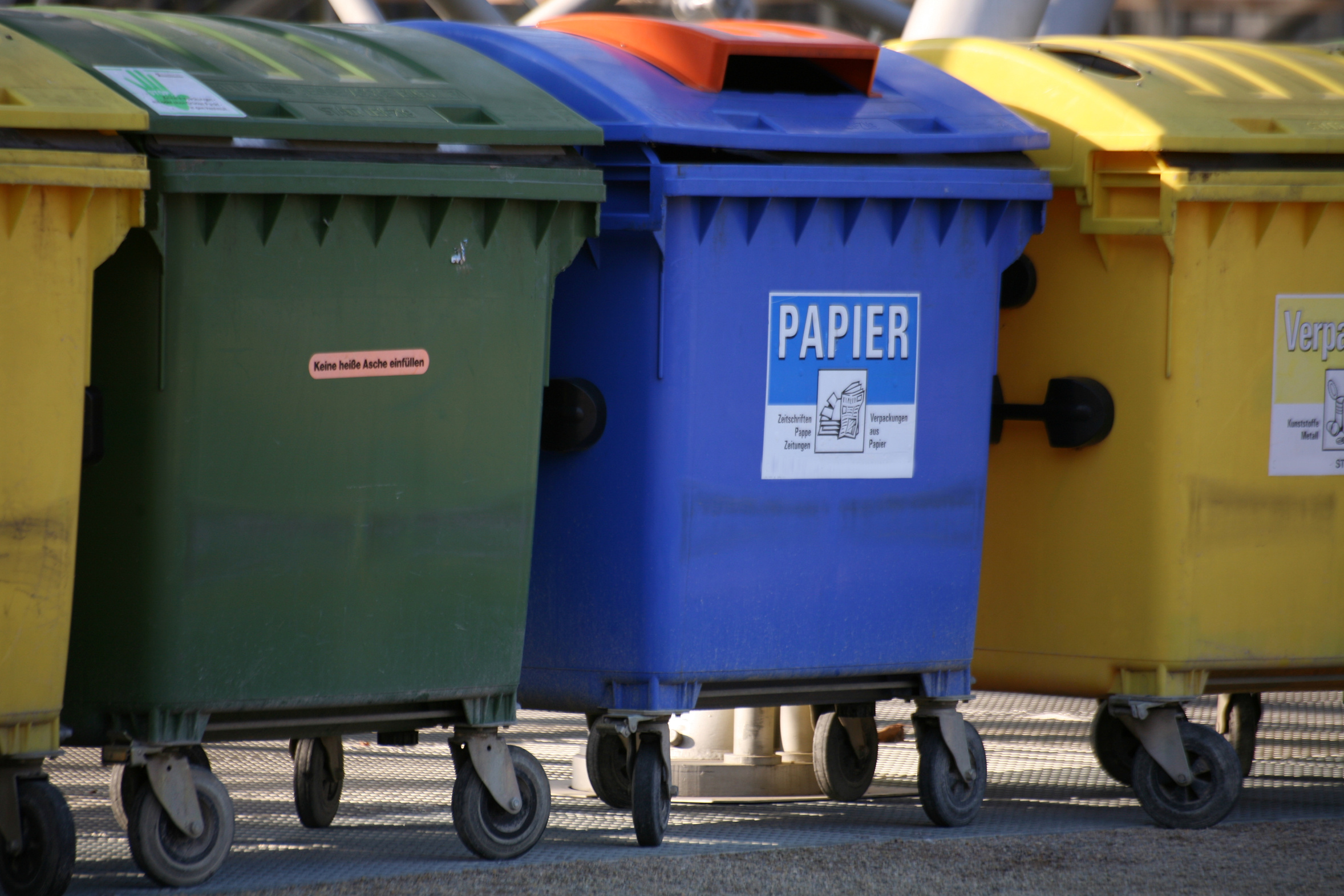
At their annual press conference on 27 January, the German Environment Agency (UBA) and the Central Agency Packaging Register (ZSVR) presented the latest figures on packaging recycling. They prove that recycling is not a myth. It works and is well monitored. Common misconceptions about plastics and glass recycling prove unfounded upon closer inspection.
Recycling rates are stable. In 2024, around 5.5 million tonnes of packaging waste collected by the dual systems were recycled once again. Five of the eight recycling targets were met, in some cases even exceeded. As in previous years, packaging made of paper/cardboard, tinplate, aluminium and plastics met the statutory targets. By contrast, the targets for beverage cartons, glass packaging and composite packaging were once again clearly missed.
Recycling rate for plastic packaging at 70 percent
At the press conference, UBA and ZSVR used current facts and figures to debunk widespread myths about packaging recycling. A key misconception: Germany recycles only very small amounts of plastic packaging.
The truth is that the rate of material recycling for plastic has risen from 42 percent in 2018 to 70 percent. “We are particularly pleased about this development. That is almost 30 percentage points more than in 2018. For the first time, more than 70 percent of plastic packaging was sent for material recycling,” says Dr Bettina Rechenberg, Head of the Circular Economy Division at UBA. “This allows us to clearly debunk the misconception that everything is incinerated anyway.”
Sorting facilities separate packaging by type
A widespread assumption among the public: Almost everything that ends up in the yellow bag or yellow bin ends up being incinerated anyway! The truth is that more than half of the contents of the yellow bin were sent for recycling. Recycling works in a measurable and reliable way. Modern sorting facilities can sort the contents systematically. Non-recyclable packaging and mis-sorted items are predominantly used for energy recovery, with incineration used to generate energy. It is also important to note: Even the most efficient sorting facility cannot produce new plastic from trainers, vacuum cleaner bags, inflatable armbands or similar mis-sorted items.
However, the statutory recycling target for the contents of the yellow bin refers to the total amount collected, including mis-sorted items and non-recyclable packaging. Gunda Rachut, member of the ZSVR Executive Board, says: “As capable as sorting and recycling facilities may be, they cannot make up for shortcomings in packaging design. The EU Packaging and Packaging Waste Regulation (PPWR) tightens the requirements for recyclability.”Rachut continues: “The responsibility lies with the manufacturers, because from 2030 onwards only packaging that is at least 70 percent recyclable or reusable may be placed on the market. What matters is the consistent implementation of design-for-recycling principles.”
Consistent separation of different types of glass
For glass packaging, too, separate collection by colour remains crucial for recycling success. Container glass can remain in circulation multiple times if collected as a single material. However, higher collection volumes are required to meet the applicable requirements. This repeatedly leads to misunderstandings. Contrary to a common assumption, waste glass is not mixed again when the containers are emptied: Clear, green and brown glass remain consistently separated from collection through to the glassworks. Modern collection vehicles transport the collected glass in separate compartments. “Glass recycling delivers substantial energy savings compared with producing new glass,” says Dr Bettina Rechenberg of UBA. “The prerequisite for this is correct waste separation. Too much waste glass is still being lost in residual waste.”The German Environment Agency considers that more bring sites for glass containers, in particular, as well as joint efforts by consumers, the dual systems, local authorities and retailers, are needed to further increase collection volumes and the recycling rate. Consumers can find waste-glass container locations and many tips on waste separation at www.muelltrennung-wirkt.de.