Summer tourism is mainly influenced by the climate factors air temperature, water temperature, sunshine duration and precipitation. Based on existing scenarios, rising temperatures, lower precipitation and a lengthening of the summer season generally improve the climatic conditions for summer tourism. The individual types of summer tourism differ in their climatic demands and the degree of dependency. In addition, the effects depend strongly on the geographical location of the holiday region.
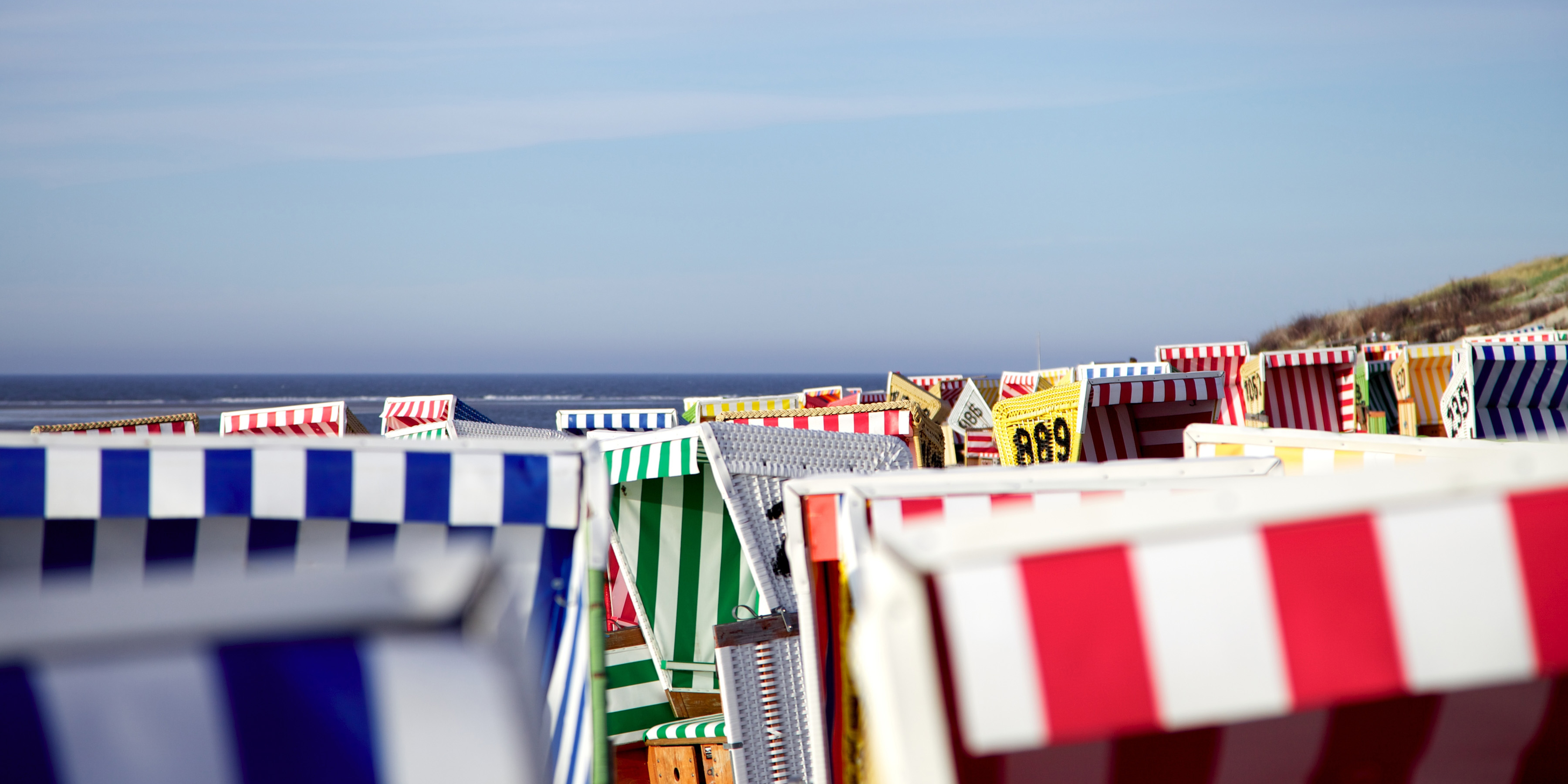
Bathing and beach tourism is likely to benefit from rising air temperatures, longer sunshine duration, lower summer precipitation, an extension of the summer period and an increase in surface water temperatures. A negative effect could be an accompanying deterioration in the water quality of bathing waters (e.g. due to "algae blooms"). Longer-term bathing bans would harm bathing and beach tourism. Risks also arise from an increase in heat days, which can lead to heat stress among vulnerable groups of people (e. g. older people, small children). Longer dry periods can affect the water level in bathing areas and thus restrict bathing opportunities. The intensification of tourist use can also lead to increased pressure on sensitive coastal ecosystems.
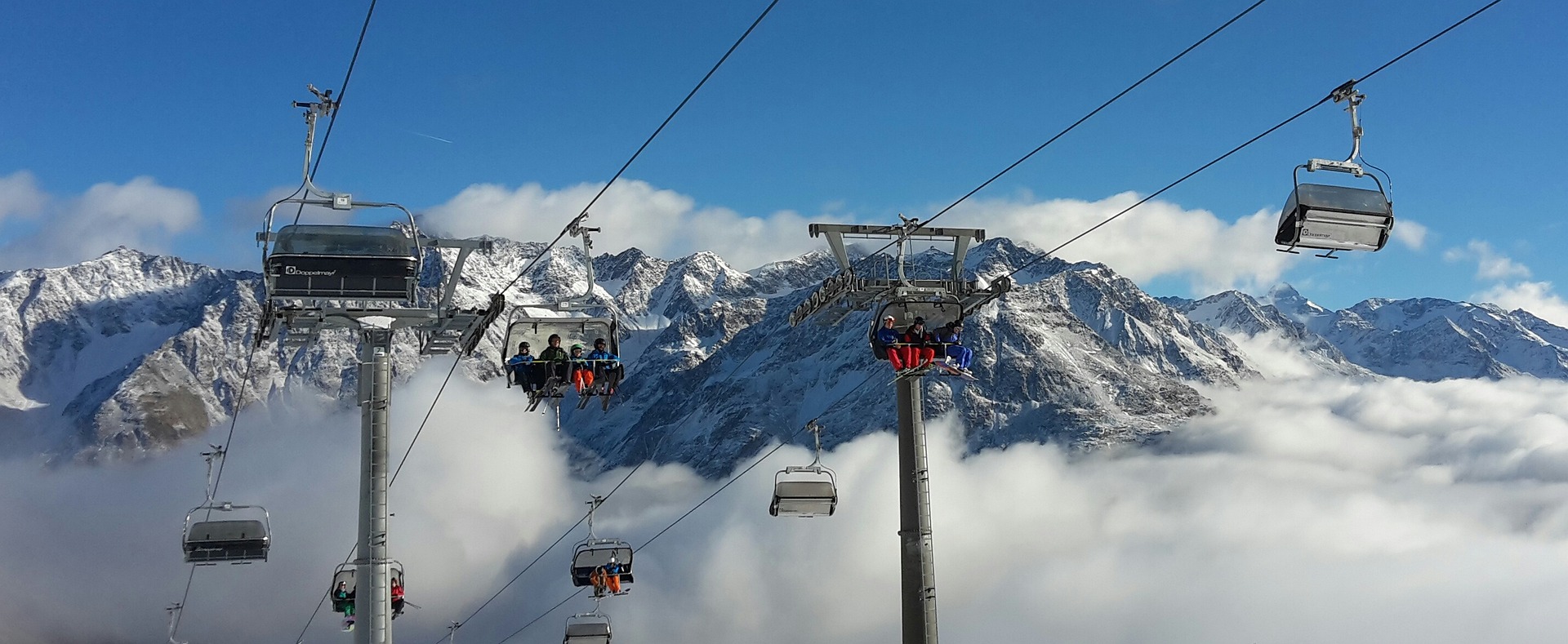
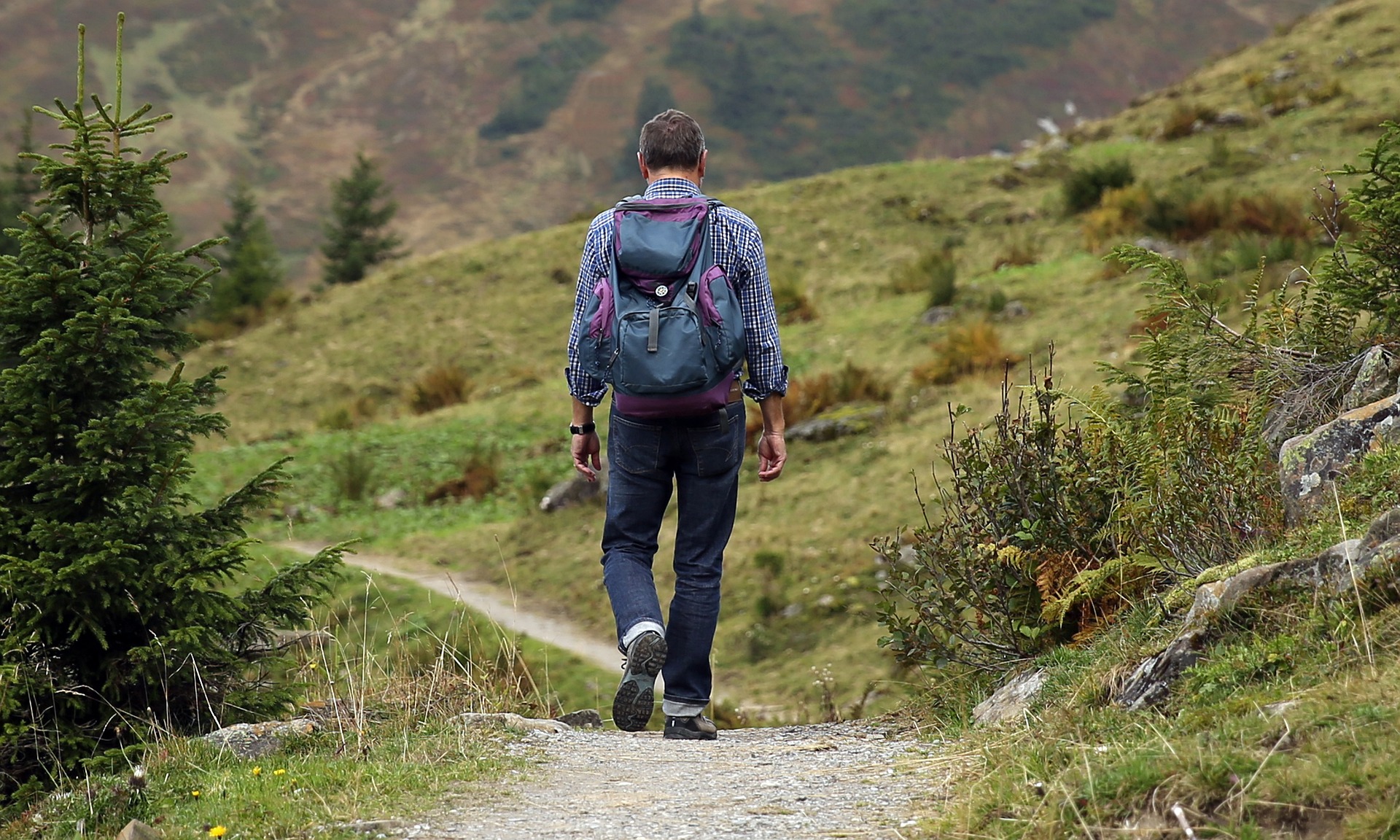
The activities of hiking, nordic walking and strolling are practised by many recreation-seekers during their summer holidays. Throughout the year, the climatic conditions for these activities will improve overall. Especially the spring and autumn seasons will become more attractive. The increase in sunshine duration is primarily responsible for this. Due to the pleasant climate in the mountains, an increase in mountain and alpine tourism (e. g. mountain hiking, climbing, high mountain tours) is expected. The guest and accommodation establishments will benefit from this. Impairments may occur during extended hikes due to heavy thunderstorms. The increase in natural hazards such as avalanches, rockfalls and landslides, caused by heavy precipitation and the thawing of permafrost at higher altitudes, poses a threat to mountain and high-mountain hiking and climbing. In addition, this can damage hiking trails, paths, mountain huts and cable car and lift facilities.
Many of the protected landscape areas in Germany (e. g. national parks, biosphere reserves, nature reserves and landscape conservation areas) are of great importance for tourism and offer special nature experience programmes (e. g. guided tours, nature trails). With regard to climate change, it is expected that this protected area tourism will also find improved framework conditions due to the increase in temperature and an extended season, which will favour the stay in nature. Negative effects are expected here, among other things, through the loss of biodiversity as well as impairments to the experience of nature through weather extremes.
Bike tourism (e. g. bicycling, mountain biking) is one of the most popular types of holiday in summer, along with bathing and hiking tourism. Here, too, an extension of the season has a fundamentally positive effect. The spring and autumn seasons in particular become more attractive. Bike tourists can be affected by heavy rainfall events and longer periods of heat. For example, hot days can limit the usual distances cycled per day and lead to health problems. In the case of mountain biking, heavy rainfall also poses the risk of landslides and falling rocks.
For water sports activities (e. g. canoeing, white water rafting and sailing), the influence of climate change on the water bodies and especially the water depth is of particular relevance. Since all rivers and lakes are only navigated when water levels are suitable, a low water level due to a decrease in summer precipitation endangers the sporting activity as a whole. In shallow waters, the risk of grounding or sediment resuspension also increases, which can lead to increased ecological impacts.
With regard to the effects of climate change on golf tourism, it is assumed that climate change will probably extend the golf season overall. However, depending on the region, significant problems are expected due to drought stress, which may cause significant damage to turf vegetation. The water demand of the lawns is correspondingly high in hot summer periods.