
Impacts of climate change on ocean and marine fisheries
In the maritime sector, the impacts of climate change on fish stocks (e. g. distribution, yield) must always be considered and assessed against the background of other stress factors such as habitat loss, marine pollution and fisheries.
Stress caused by increased ocean temperatures: As cold-blooded animals, fish are strongly influenced by the surrounding water temperature. For many fish species, a water temperature deviating from their specific optimum temperature means stress. Exposure to this stress over a longer period of time affects the metabolism and thus the growth, reproduction and mortality of the fish. Thus, increased water temperatures cause faster growth, faster egg development and increased metabolic rates. For Germany, changes in water temperature in the North Sea and Baltic Sea are relevant. In the period from 1969 to 2017, the mean annual surface temperature of the North Sea warmed by 1.3 degrees. The absolute warming of the Baltic Sea in the period from 1980 to 2015 is 1.6 degrees at the surface and 1.9 degrees at a depth of 20 metres for the western Baltic Sea. Depending on the climate scenario, it is assumed that by the end of the century the Baltic Sea will be 2 to 3 degrees warmer on average at the surface and that summer surface water temperatures above 18 degrees Celsius could occur up to one month longer than before.
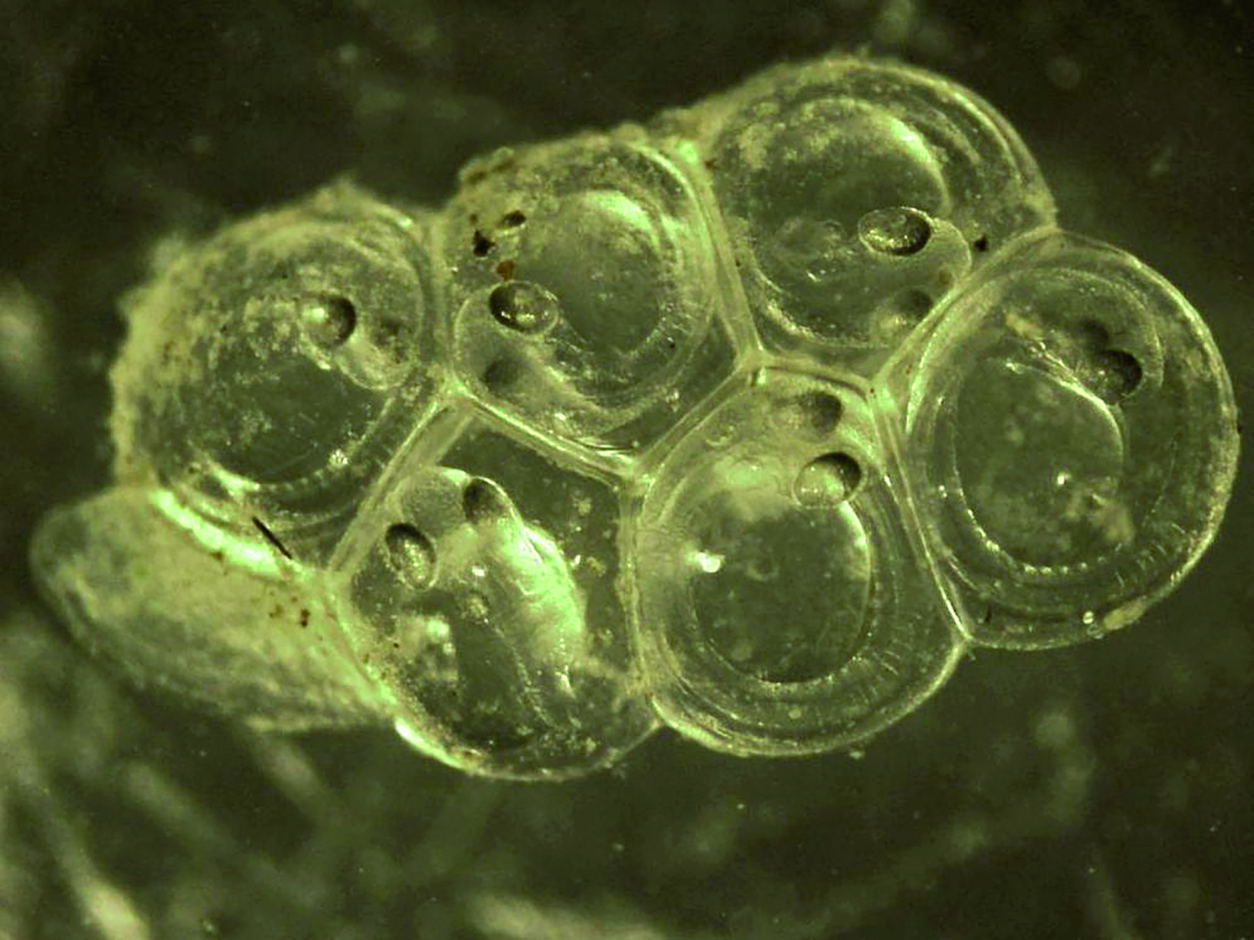
Effects on fish phenology: Increased sea temperature can change the phenology of fish in such a way that the temporal synchronisation of certain developmental phases dissolves. For example, the water temperature in spring determines when the spawning migration of Atlantic herring (Clupea harengus) into the Baltic Sea begins and female herring lay their eggs. If these water temperatures are reached earlier in the year, the fish eggs develop faster and the larvae hatch sooner. Studies have shown that the spawning migration and the "start signal" for spawning have moved further and further forward in the calendar in past years. This can lead to the herring larvae hatching before the spring plankton bloom has begun and thus there would be hardly any plankton food available to them, i. e. the food relationship is decoupled. The lack of food supply leads to increased stress on the juveniles in their most sensitive phase of life and to death. Such an asynchronous development ("food mismatch") is, along with intensive fishing, one of the explanations for the observed decline of herring stocks in the Baltic Sea since the 1990s.
Stress due to oxygen deficiency and eutrophication: Oxygen availability for marine wildlife is directly related to water temperature. As the temperature rises, gas solubility decreases, but in contrast, the demand for oxygen for metabolism increases. The number of near-shore waters with oxygen deficiency and so-called "dead zones" is expanding, affecting coastal ecosystems and the fishing industry. Nutrient input from the land is one of the main causes of the "dead zones" in coastal waters. The high nutrient load (eutrophication) of coastal waters benefits filamentous brown algae (e. g. of the genera Pilayella and Ectocarpus), which can spread en masse. These algae grow on the seagrasses and spawning herbs that form the main herring spawning beds. This causes long-term damage to the plant beds. The brown algae also benefit from mild winter temperatures.
Stress due to ocean acidification: If the carbon dioxide content in the atmosphere increases, the oceans absorb more carbon dioxide (CO2). As a result, the pH value of the seawater decreases and the oceans are becoming acidic. Since the beginning of the industrial revolution, the oceans have become almost 30 per cent more acidic, with the average pH of the sea surface dropping from 8.2 to 8.1. By 2100, the pH of the oceans is expected to decrease by another 0.3 to 0.4 units, making seawater 100 to 150 per cent more acidic. Fish are considered relatively insensitive to acidification. Nevertheless, it could have a direct impact on fish behaviour and physiology. If the pH of seawater drops, the pH in the body fluids of most creatures also drops and an acid imbalance can occur. Fish can regulate their acid balance within hours or days. However, this costs energy that may be lacking for growth and reproduction. Acidification of the oceans poses a threat to calcifying organisms (e. g. shell-forming plankton). Acidic water impedes the formation of inner skeletons or protective shells of calcium carbonate (lime), and the shells and calcareous skeletons of these marine organisms become thinner or possibly dissolve. Since these organisms are a basis of the food pyramid in the sea, there are far-reaching consequences for the food chain in the sea with consequences also for the fish populations.
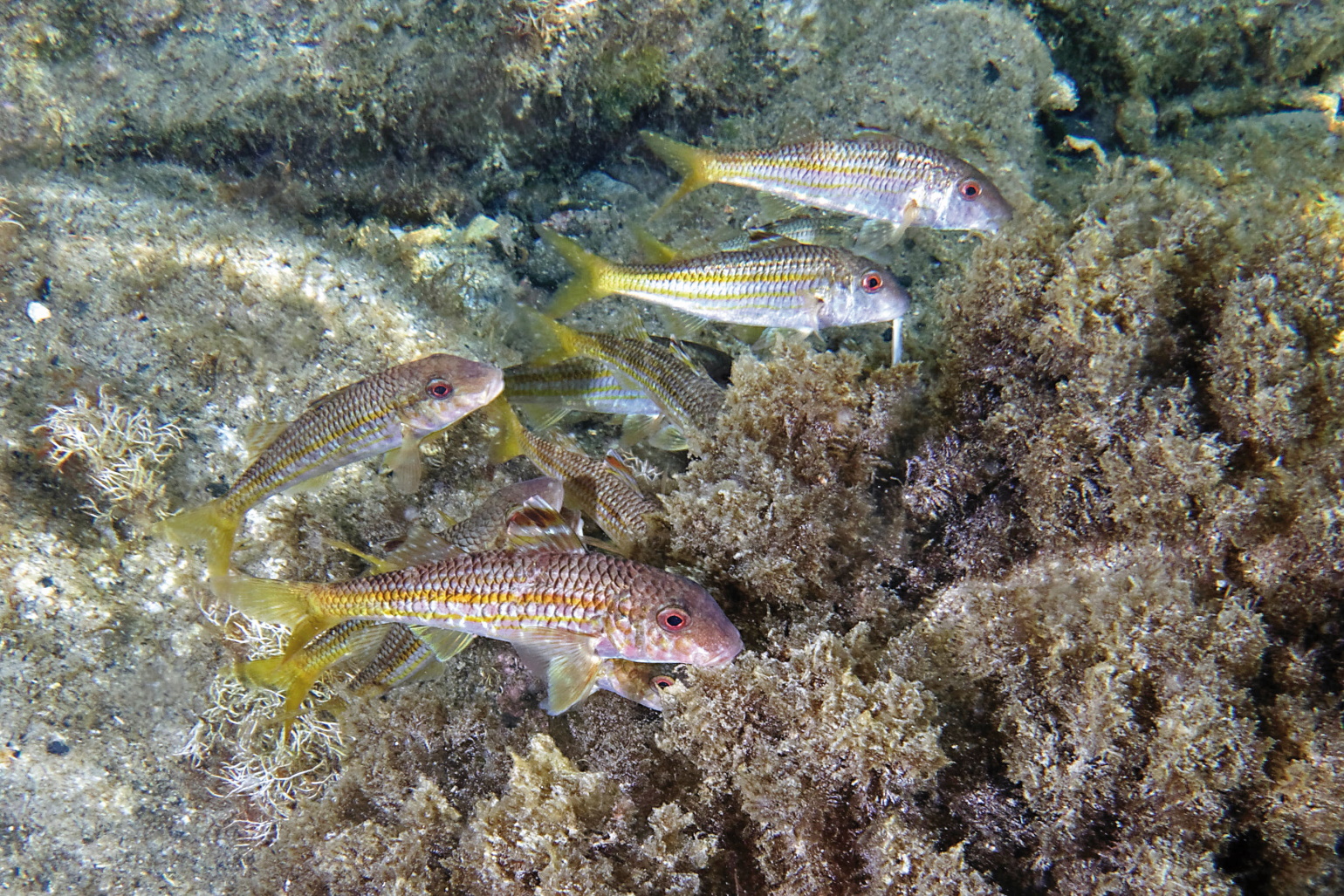
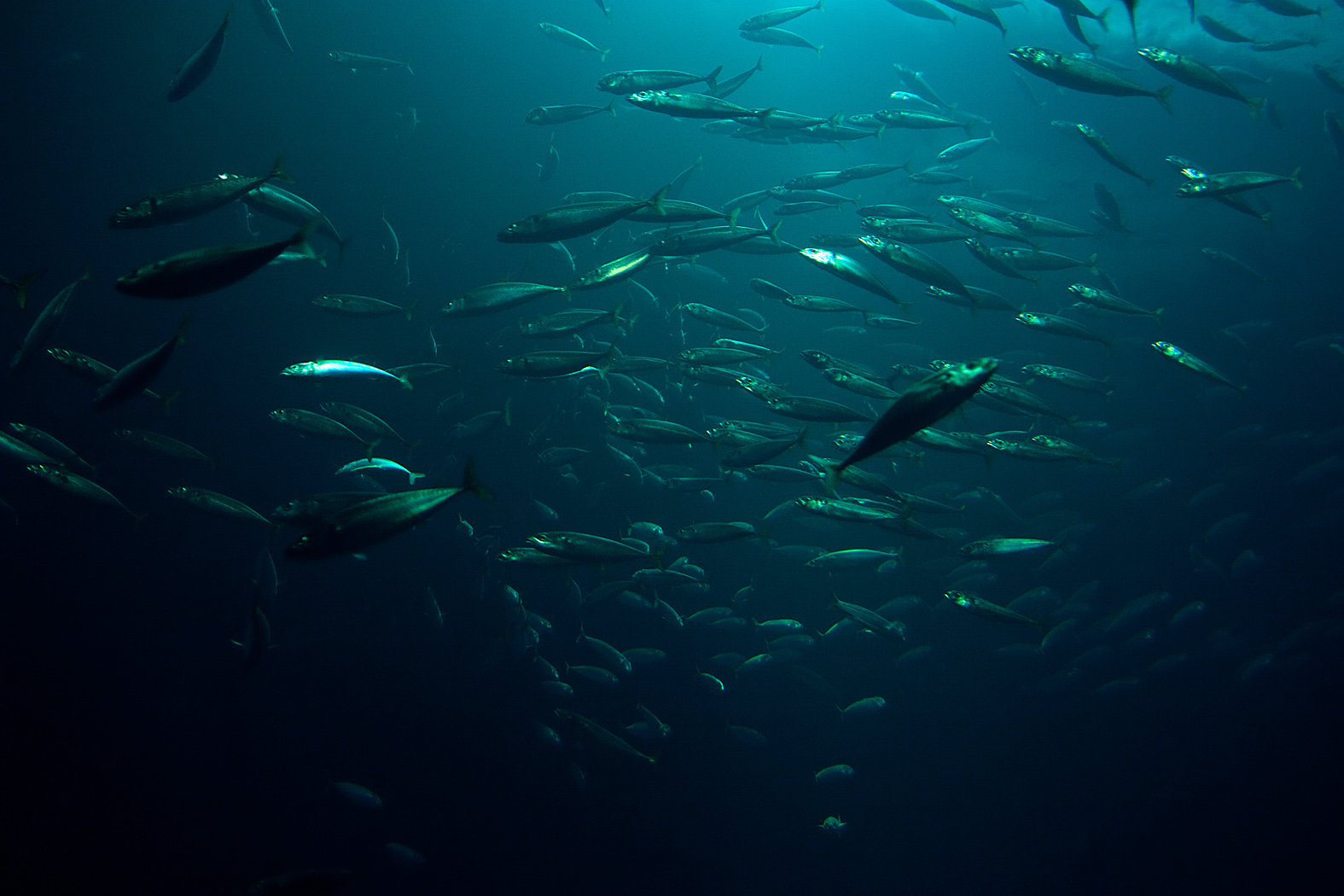
Changes in the species composition and spatial distribution of fish: The change in ocean temperature could result in values that lie outside the ecological preference of fish species. This would result in changes in fish species composition and distribution, as can already be observed in the North Sea and the Baltic Sea. As an open marginal sea of the Atlantic, the North Sea generally offers fish species more opportunities to shift their habitats with the climate change-induced rising sea water temperatures. Thus, it can be observed that the habitat of cold-loving fish species, e. g. Atlantic cod (Gadus morhua), Atlantic mackerel (Scomber scombrus), Capelin (Mallotus villosus), Saithe (Pollachius virens) and Blue whiting (Micromesistius poutassou) is shifting towards the pole and thus to cooler regions. The "nursery room" Wadden Sea has also become too warm for plaice (Pleuronectes platessa). The juvenile stages are already migrating to the North Sea. On the other hand, the rise in water temperatures and the absence of very cold winters enable warmth-loving fish species from more southerly marine areas to immigrate, overwinter and reproduce in the North Sea. These include, for example, the hake or pike (Merluccius merluccius), the sardine (Sardina pilchardus), the anchovy (Engraulis encrasicolus), the red mullet (Mullus barbatus) and the sea bass (Dicentrarchus labrax). In the Baltic Sea, the cold-loving cod, a key source of income for many fisheries in the western Baltic, may migrate north towards the Arctic. In contrast, other fish species may migrate into the Baltic Sea and become native. The thick-lipped mullet (Chelon labrosus) now regularly moves in from the North Sea in spring when the water settles at 11 degrees, stays until autumn and then migrates back to the North Sea to spawn. Anchovy, sardine, red mullet and dorade are also migrating more and more into the Baltic Sea around Jutland (Denmark). In the Baltic Sea, the blackmouth goby (Neogobius melanostomus) has also been spreading in huge numbers since the last few decades. Its natural distribution areas are the coastal areas of the Black and Caspian Seas. The goby is tolerant of temperature fluctuations, low oxygen content and varying salinity. Due to its proliferation and reproductive potential, it is considered an invasive species that competes for food and space with many native species. The Federal Agency for Nature Conservation in Germany included the blackmouth goby in the black list of invasive species as early as 2010.
Indicator from the Monitoring on the DAS: Distribution of thermophilic marine species